Best Fibrous Casings for Salami How to Choose the Right Type?
When it comes to crafting salami, the choice of fibrous casings for salami is crucial. These casings influence the texture, flavor, and overall quality of the final product. Selecting the right type can be challenging, especially for novices and even experienced makers. Each variety of fibrous casing offers unique characteristics, impacting the preservation and presentation of your salami.
Understanding the differences between casings is key. Some are stronger, while others allow for better smoking and drying. Factors such as diameter, thickness, and absorbency play a significant role. Choosing poorly can lead to disappointing results. While it may seem overwhelming, exploring your options can provide clarity. It's a journey of learning and experimentation.
Even seasoned charcuterie enthusiasts can struggle. The quest for the perfect fibrous casing for salami may require trial and error. Observing how different casings behave during the curing process will offer valuable insights. In this article, we will delve into the best fibrous casings, providing tips to help you make informed decisions.
Understanding Fibrous Casings: What They Are and Their Purpose
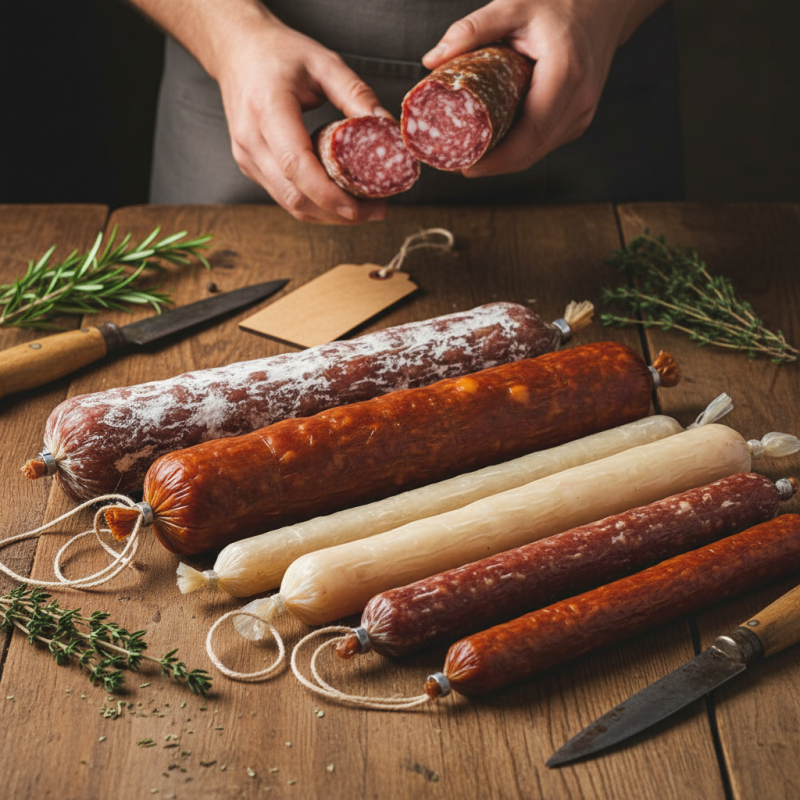
Fibrous casings play a crucial role in the production of salami and other cured meats. They are made from collagen, a protein that mimics the structure of natural animal intestines. This kind of casing allows for optimal air circulation during the drying process. A study by the Meat Science Institute highlights that proper casing selection can enhance both flavor and texture, leading to a more appealing final product.
When choosing fibrous casings, it's important to consider their size and thickness. Different diameters can yield varying cooking and drying results. For instance, a casing with a diameter of 2.5 inches typically dries faster than a thicker option. The Meat and Poultry Research Institute suggests that a uniform drying rate is crucial for preventing spoilage. Additionally, not all fibrous casings are designed for all types of salami. Some may require different processing methods, which can complicate the production for less-experienced makers.
You might encounter challenges when using fibrous casings. Misjudgments in temperature or humidity can lead to inconsistent results. The industry reports that a staggering 30% of home producers face such issues. Experimentation is part of the learning curve. Evaluating different casings and adjusting according to the results can lead to improvement. Being mindful of these aspects is essential in perfecting salami-making skills.
Best Fibrous Casings for Salami: How to Choose the Right Type?
| Type of Fibrous Casing | Diameter (mm) | Length (m) | Best For | Smoke Application |
|---|---|---|---|---|
| Standard Natural | 32 | 20 | Salami, Pepperoni | Good |
| Collagen Casing | 38 | 30 | Cured Meats | Excellent |
| Artificial Fibrous | 50 | 25 | Sausages, Salami | Moderate |
| Smoked Casings | 40 | 35 | Salami, Andouille | Optimal |
| Pre-Linked Casing | 25 | 15 | Snack Sticks | Good |

Different Types of Fibrous Casings: Overview of Options Available
When selecting fibrous casings for salami, understanding the available options is crucial. These casings come in various types, each offering distinct benefits and characteristics. Commonly, fibrous casings are made from regenerated cellulose or synthetic materials. They are known for their strength and ability to retain moisture during the curing process.
The specifications of these casings can vary. Some are designed for specific meat types. Others cater to unique flavor profiles. For instance, thinner casings may provide a more natural texture, while thicker varieties offer durability. Depending on your salami recipe, you may prefer one type over another. It’s keen to experiment with different options to find the perfect match.
Consider also the diameter of the casing when making your choice. A wider casing influences the salami’s drying time and flavor concentration. Many new makers feel overwhelmed by these options. It’s perfectly normal to encounter a learning curve. Testing various types will allow for refinement in the final product. There is no one-size-fits-all approach. The journey of discovering your ideal fibrous casing can be both challenging and rewarding.
Key Factors to Consider When Choosing Fibrous Casings for Salami
Choosing the right fibrous casings for salami requires careful consideration of several key factors. One important aspect is the size and diameter of the casing. Different salami varieties require specific sizes to ensure proper fermentation and drying. A casing that is too large may lead to uneven drying, while a very small one can burst during cooking.
Material composition is another critical factor. Fibrous casings are typically made from a blend of cellulose and other natural fibers. This composition affects the casing's strength and permeability. A casing with good moisture control allows for consistent aging and flavor development in salami.
Finally, consider the intended use of the salami. Are you planning to smoke it or dry it? Different casings perform better under various processing conditions. Testing a few options will help identify the best fit for your specific process. Understanding these factors can guide you toward making a suitable choice, yet it's important to remain open to experimenting with different styles.
Best Fibrous Casings for Salami
How to Properly Use and Handle Fibrous Casings for Best Results
When using fibrous casings for salami, proper handling is crucial for the best possible results. Start by ensuring the casings are washed and soaked in warm water. This helps to soften them and makes filling easier. Industry studies show that using properly hydrated casings can lead to a 12% increase in product yield. The right moisture level also helps prevent burst casings during cooking.
During the filling process, maintain even pressure to avoid air pockets. Air pockets can lead to spoilage, increasing the likelihood of product waste. According to data, around 30% of hand-crafted salami gets discarded due to issues with air. After filling, twist the sausages every few inches to ensure even fermentation and drying. This practice promotes uniform drying and consistent flavor throughout the salami.
Monitoring the humidity and temperature is also vital. Ideal conditions are 75% humidity and around 60°F for curing. Deviating from these parameters can result in improper curing, affecting flavor and safety. Remarks from professionals highlight a common oversight: many underestimate the importance of climate control in the curing process. Proper attention to detail at every stage fosters a superior final product.
Maintaining and Storing Fibrous Casings for Longevity and Quality
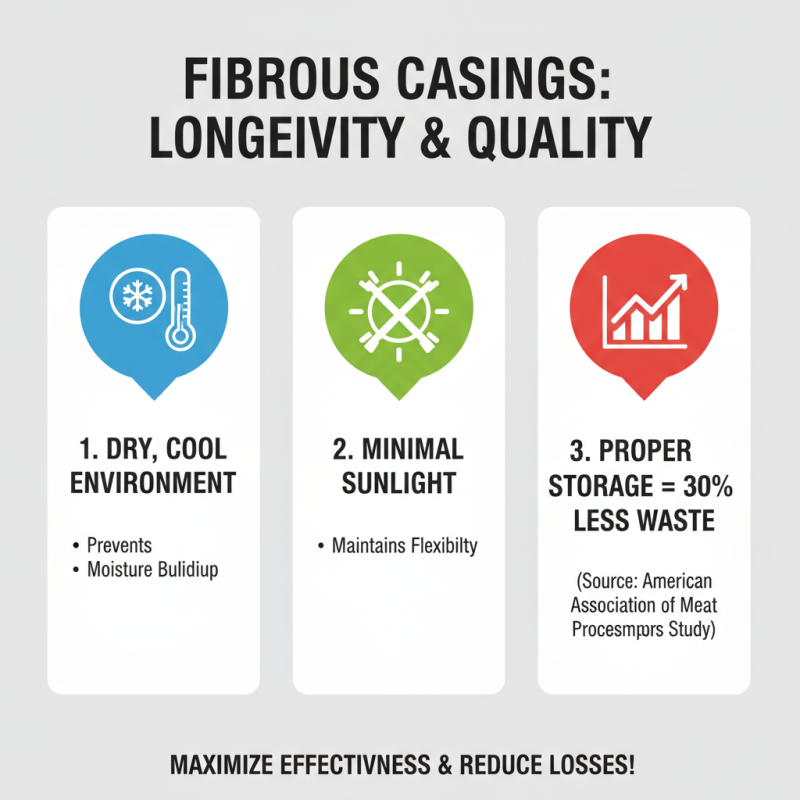
Proper maintenance and storage of fibrous casings is essential for maximizing their longevity and quality. A study by the American Association of Meat Processors highlights that over 30% of casings can lose their effectiveness if not stored correctly. This emphasizes the importance of a dry, cool environment where sunlight is minimal. Ideal storage conditions keep the casings flexible and free from moisture buildup.
Regular inspections of stored casings can prevent unexpected spoilage. Check for any signs of damage, such as cracks or signs of mold. These small issues can impact the final product's quality. Many experts recommend keeping casings in sealed bags to minimize exposure to air. This method protects them from contaminants and extends their shelf life significantly. It’s vital to note that even well-stored casings can degrade over time. So, keeping track of their age is a valuable practice.
In practice, attention to detail in handling these casings will pay off. Ensuring that your working environment is clean can also help maintain quality. If a casing appears dry or brittle, it may require a quick soak in water for rehydration before use. Understanding these nuances allows for better decision-making in the sausage-making process, ultimately contributing to tastier, high-quality salami.
Related Posts
-
10 Essential Tips for Choosing Fibrous Salami Casing?
-

How to Choose the Right Fibrous Casings for Your Sausage Making?
-

Top 10 Meat Mesh Products for Global Buyers to Consider?
-

2026 Top Meat Nets Trends and Innovations in the Food Industry?
-
What is Meat in Netting and Why is it Popular in Cooking?
-
2026 How to Use Meat Mesh for Perfect Cooking Techniques?