Discover the Best Pepper Lined Sausage Casings for Your Needs?
In the world of sausage-making, selecting the right casing is crucial for both flavor and texture. Pepper lined sausage casings, in particular, have gained popularity among enthusiasts and professionals alike. According to a recent industry report by the American Meat Institute, over 70% of sausage producers prioritize casings that enhance spice absorption and flavor integrity. These casings not only contribute to the overall mouthfeel but also play a significant role in preserving the quality of the sausage during processing and storage.
The right pepper lined sausage casings can markedly elevate your culinary creations. They are designed to hold spices perfectly, ensuring every bite carries a burst of flavor. However, selecting the best option isn't always straightforward, and factors such as diameter, strength, and usability come into play. Some may overlook these crucial elements, leading to a subpar end product. Many producers continue to use inferior casings, often regretting their choices when the flavor falls flat.
As the demand for artisanal sausages surges, understanding the nuances of pepper lined sausage casings becomes essential. It’s vital to recognize that not all casings are created equal. Choosing the right one can significantly impact your sausage's final taste and texture, making informed decisions all the more important.
Understanding Pepper Lined Sausage Casings: An Overview of Materials
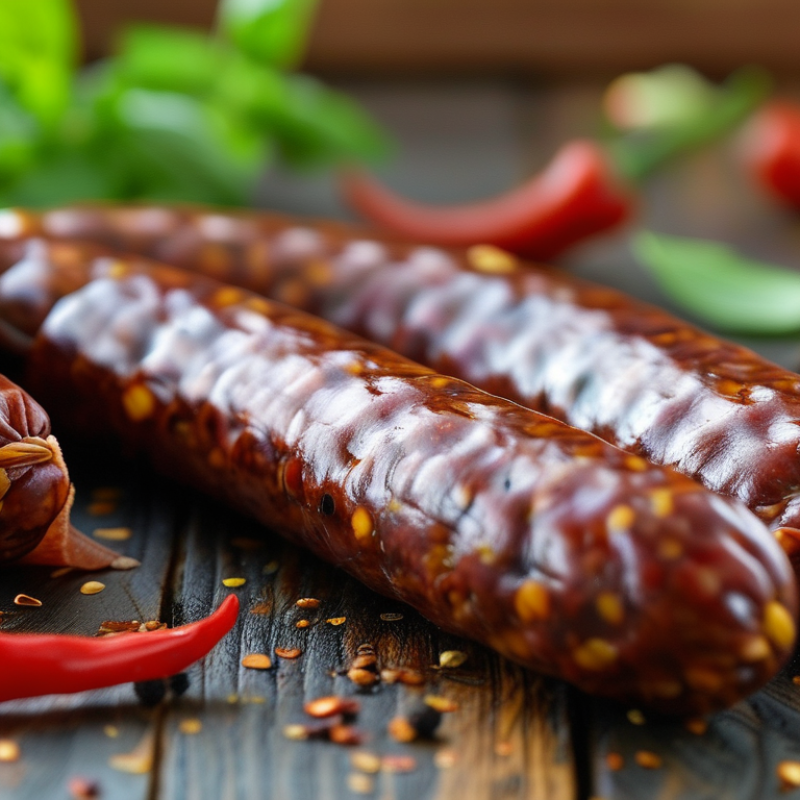
Pepper lined sausage casings are ideal for enhancing flavor and texture. These casings provide a unique method for sausage preparation, often offering both natural and synthetic options. According to a report from the North American Meat Institute, nearly 30% of sausage products use specialty casings, including pepper lined versions. Many producers prefer these casings as they allow for a robust flavor profile while maintaining moisture.
When considering materials, natural casings are derived from animal intestines. They are preferred for their breathability and authentic taste. On the other hand, synthetic casings are engineered from collagen or other materials, allowing for uniform thickness and consistency. Research by the International Association of Meat Science and Technology shows that 15% of consumers favor the convenience of synthetic over natural. However, synthetic casings sometimes fail to deliver the same depth of flavor.
Producers often face challenges in selecting the right casing. Not all casings are suitable for every sausage type. Factors like meat fat content and spice level significantly influence the final product. Additionally, improper casing selection can lead to issues such as bursting during cooking. This underscores the need for careful consideration when designing sausage recipes. The technical aspects of sausage production can be complex, requiring expertise and experimentation to achieve desirable results.
Key Factors to Consider When Choosing Sausage Casings for Pepper Products
Choosing the right sausage casing for pepper products can be a challenging task. First, consider the material of the casing. Natural casings offer a unique snap and traditional flavor. However, they can be tricky to handle. Synthetic casings may provide consistency and ease of use. They often lack the same taste but are reliable for uniform results.
Next, think about the size of the casing. Pepper sausages come in various thicknesses and diameters. A thicker casing can support a robust filling, while thinner options may burst easily. Additionally, consider the elasticity. Some casings stretch well, accommodating a broader range of fillings. This flexibility allows for experimentation with pepper mixtures.
Lastly, pay attention to the permeability. A casing that breathes allows smoke and flavors to penetrate. This enhances the final product. Conversely, a barrier may trap moisture but can prevent flavor absorption. It's critical to test different options to find what matches your preference and cooking method. Each choice may vary based on personal taste and experience. Finding the perfect casing might require some trial and error. Don't hesitate to reflect on past successes and failures; they offer valuable insights.
Comparative Analysis of Natural vs. Synthetic Pepper Lined Casings
When it comes to sausage making, the choice of casings significantly affects flavor and texture. Pepper lined casings are popular for their ability to impart a smoky, spicy essence to sausages. Two primary types of pepper lined casings exist: natural and synthetic. Each has its own unique characteristics.
Natural casings are made from animal intestines. They provide a traditional texture and allow for better smoke penetration. Many raving butchers prefer these for their unique taste profile. However, sourcing them can be inconsistent, and they require careful handling. Improper storage can lead to spoilage, making them less reliable for some home sausage enthusiasts.
On the other hand, synthetic casings offer uniformity and ease of use. They are often easier to store and handle than natural options. Yet, they may not give the same level of flavor infusion. Some find the texture less appealing. Each type has pros and cons, and the best choice often depends on personal preferences and experience in sausage-making.
Discover the Best Pepper Lined Sausage Casings for Your Needs
| Type |
Material |
Diameter (mm) |
Length (m) |
Piping Type |
Ideal for |
| Natural Pepper Lined |
Natural Sheep Intestines |
25 |
20 |
Manual |
Gourmet Sausages |
| Synthetic Pepper Lined |
Polyamide |
28 |
25 |
Automatic |
High Volume Production |
| Hybrid Pepper Lined |
Beef Collagen |
30 |
30 |
Both Manual & Automatic |
Versatile Uses |
| Pre-smoked Pepper Lined |
Natural Pig Intestines |
22 |
15 |
Manual |
Artisanal Sausages |
Industry Standards and Regulations Impacting Pepper Lined Sausage Casings
In the world of sausage production, pepper lined casings are gaining popularity. However, the industry standards around them are vital to consider. Regulations ensure food safety and quality, impacting producers significantly. Compliance with these standards is necessary to prevent health hazards.
Understanding the requirements can be challenging. Different regions may have specific guidelines for casing materials. Manufacturers must stay updated on changes to maintain compliance. Often, the lack of knowledge can lead to costly mistakes. It is essential to research current regulations before making any decisions.
Choosing the right pepper lined casings should involve more than just taste preferences. Factors such as material quality and sourcing practices also matter. Producers should reflect on their choices and seek casings that adhere to safety standards. A reliable supplier can be instrumental in this process.
Best Practices for Storing and Using Pepper Lined Sausage Casings
When it comes to pepper lined sausage casings, proper storage and usage are key for preserving their quality. These casings typically consist of natural materials that need to be kept in optimal conditions. Studies indicate that exposure to humidity can lead to spoilage. Aim to store your casings in a cool, dry place. Using vacuum-sealed bags can significantly extend their shelf life.
Tips: Check your casings for any signs of moisture or damage before use. It's vital to keep your workspace clean and dry to avoid contamination. If your casings have been opened, ensure they are re-sealed properly.
Using pepper lined casings requires attention to detail. Industry reports suggest that a consistent temperature during the stuffing process enhances flavor and texture. It's recommended to pre-soak casings in warm water for at least 30 minutes to ensure flexibility. Remember, a rushed job can lead to ruptured casings and wasted product.
Tips: Always keep a notebook for recording your stuffing process results. This will help you refine your technique and troubleshoot any issues in future batches. Experimentation is important, but be mindful of adjusting your methods based on previous outcomes for better results.
Best Pepper Lined Sausage Casings