What is Casing Food and How is it Used in Culinary Practices?
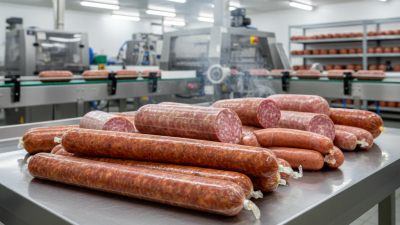
Casing food plays a crucial role in the culinary world, often enhancing the flavors and textures of various dishes. According to a report by the Global Meat and Casing Association, the casing food market is expected to grow by 7% annually. This growth highlights an increasing appreciation for traditional and innovative uses of casing in food preparation.
Expert John Smith, a leading figure in the casing food industry, once stated, "Casing food transforms the eating experience, bringing authenticity to cuisines worldwide." This perspective emphasizes the importance of casings, not just as a vessel but as a key ingredient that influences taste.
As the demand for artisanal and local food products rises, casing food has gained renewed interest. Chefs now experiment with natural casings, which require careful sourcing and preparation. Yet, mastering this technique can be challenging, demanding both skill and knowledge. The ongoing fascination with casing food prompts chefs and home cooks alike to reevaluate traditional practices, blending them with modern approaches.
What is Casing Food?
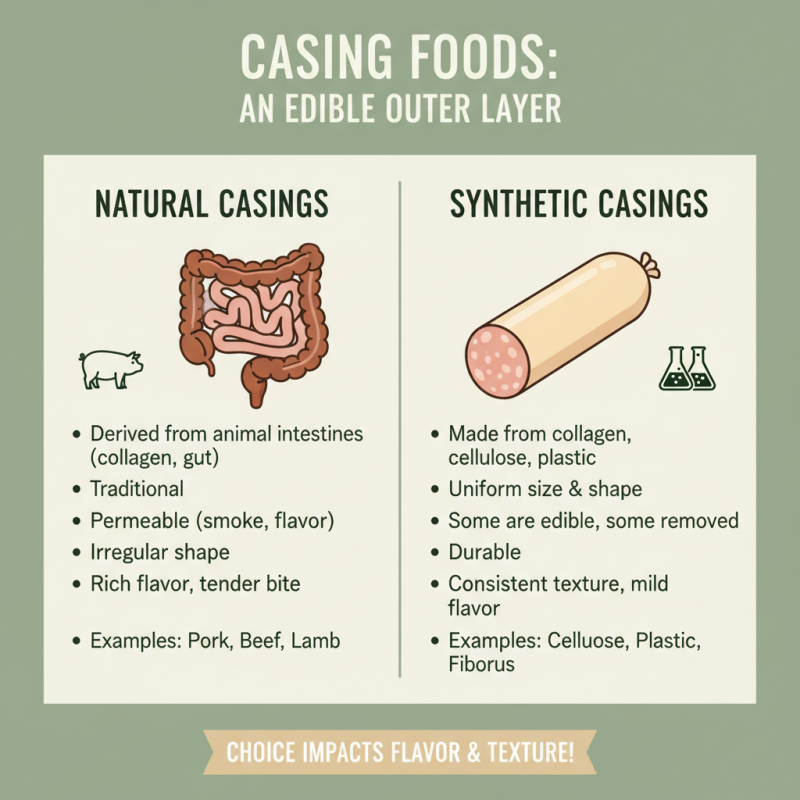
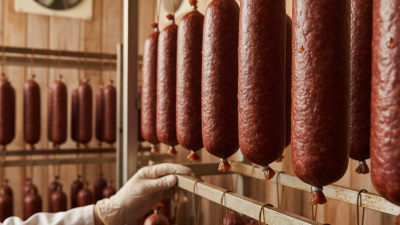
Casing food refers to the edible outer layer used in various culinary traditions. It is most commonly associated with sausages and can include animal intestines or synthetic materials. The choice of casing affects the flavor and texture of the final product. Natural casings impart a rich taste, while synthetic options offer uniformity.
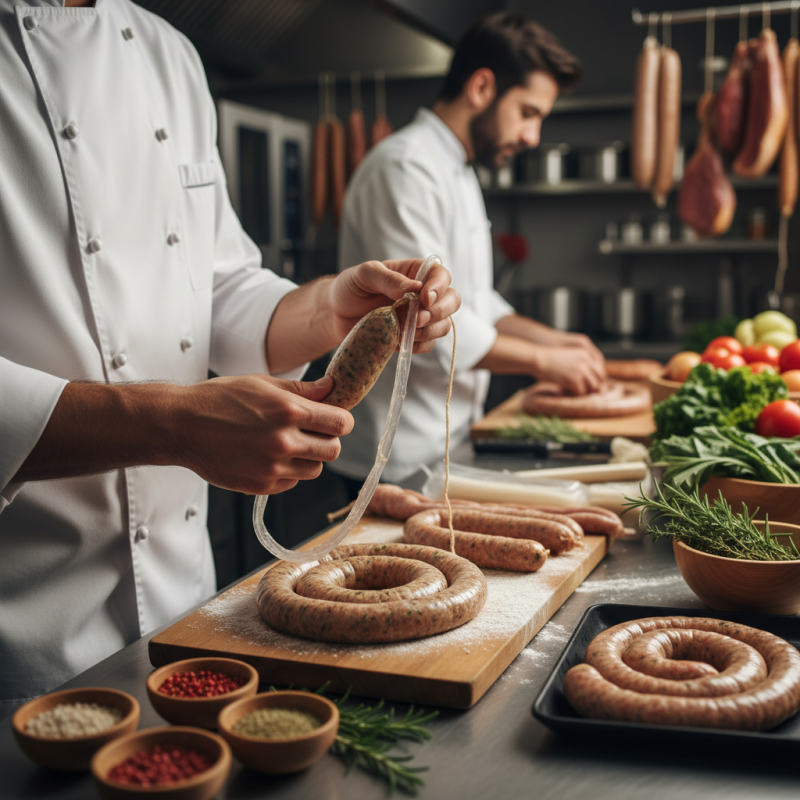
Using casing food in cooking requires skill and attention. The process often involves stuffing the casing with a mixture of meat, spices, and other ingredients. This step is crucial because it determines the quality of the dish. A poorly filled casing may burst during cooking, ruining the presentation. It’s not just about taste; aesthetics matter too.
Many chefs experiment with different types of casing. Sometimes, they use plant-based options to cater to diverse diets. However, not all experiments yield favorable results. Culinary exploration can lead to failures, but those failures are invaluable. They teach important lessons about balance, flavor, and customer preferences.
Types of Food Casings Used in Culinary Practices
Casing food plays a vital role in many culinary practices. It acts as a vessel to encase various food items, often enhancing their flavor and presentation. According to industry reports, over 30% of processed meats contain casings, showcasing their significance in food production. Casings can be natural, artificial, or cellulose-based, each offering unique benefits and uses.
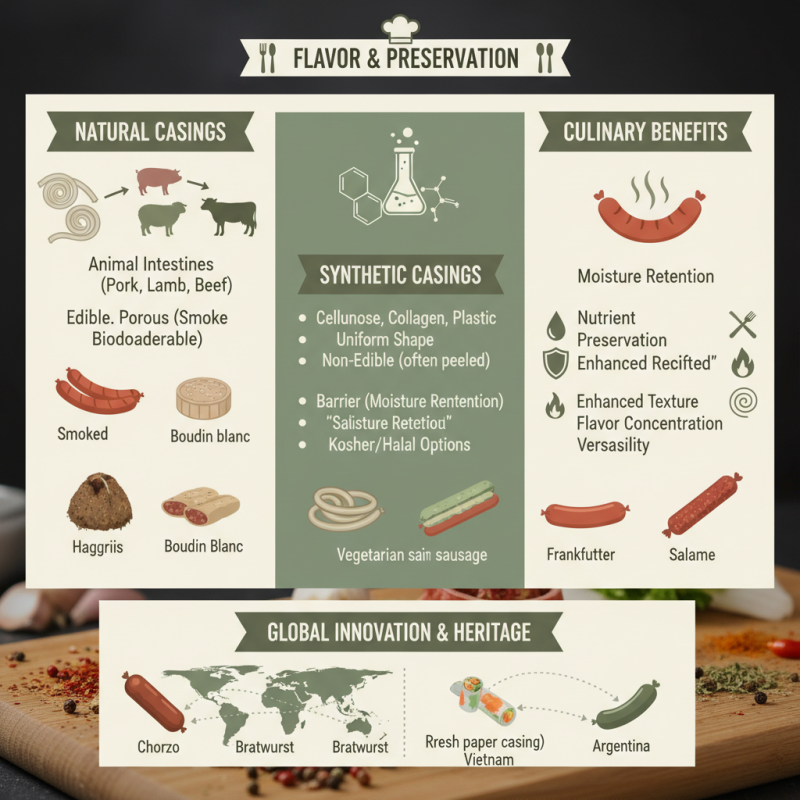
Natural casings, such as intestines from animals, provide a traditional touch. Chefs often favor them for sausage making. Their porous nature allows smoke and flavors to permeate, improving overall taste. However, their availability can be inconsistent, causing challenges for culinary professionals. Artificial casings, made from collagen or other materials, provide uniformity and ease of use. They are easier to handle but may lack the authentic flavor that natural casings offer. Reports indicate that the demand for vegetarian and vegan options is increasing, pushing producers towards innovative alternatives.
Vegetarian casings made from seaweed or plant fibers are emerging. These options cater to a growing market segment. However, they may not perform as well in traditional applications, raising questions about texture and flavor. The evolution of food casings reflects changing culinary trends. It is crucial for chefs and producers to experiment and refine their techniques as consumer preferences shift. Finding the right casing can enhance a dish significantly. However, the choice often requires careful consideration of both taste and practicality.
What is Casing Food and How is it Used in Culinary Practices? - Types of Food Casings Used in Culinary Practices
| Type of Casing | Material | Common Uses | Texture |
|---|---|---|---|
| Natural Casing | Animal Intestines | Sausages, Hot Dogs | Tender, Juicy |
| Collagen Casing | Collagen Protein | Sausages, Salami | Firm, Resilient |
| Plastic Casing | Polymer | Meat Processing, Vacuum Sealing | N/A |
| Fibrous Casing | Plant Fibers | Large Sausages, Salami | Crispy, Crunchy |
| Synthetic Casing | Various Polymers | Deli Meats, Specialty Sausages | Variable |
Methods of Preparing and Using Food Casings
Casing food plays a significant role in culinary traditions around the world. The use of casings enhances flavors and preserves ingredients. Typically, these casings come from natural sources like animal intestines, but there are also synthetic options. Chefs appreciate casings for their ability to hold in moisture and nutrients, creating a satisfying bite.
When preparing food with casings, ensure they are clean and properly seasoned. Soaking casings in water can make them more pliable. This helps when stuffing them with meats or grains. Be mindful of the texture you want to achieve. Overstuffing may cause the casing to burst during cooking.
Tips: Always taste-test your mixture before stuffing. This helps in adjusting the seasoning. Also, consider using a small amount of oil on your hands while handling casings, making the process smoother. Finally, remember that some casings may require cooking before use, so plan accordingly. Embrace the art of using casings but be prepared for some trial and error along the way.
Culinary Applications of Casing Food
Casing food refers to the practice of using animal intestines to encase meat products. This technique is prevalent in various culinary traditions around the world. In Europe, for instance, the sausage industry heavily relies on casing food. According to a 2022 report by the Food and Agriculture Organization, global sausage production reached over 2.5 million tons, illustrating its culinary significance.
Casing food plays a vital role in flavor and texture. The type of casing used affects the moisture retention, taste, and presentation of the final product. For example, natural casings from hog or sheep intestines are porous. They allow smoked flavors to penetrate while keeping the meat juicy. Yet, relying too heavily on casing can overshadow the quality of the filling. Some chefs worry that commercial casing choices lead to bland flavors.
Innovations in casing alternatives are emerging in culinary practices. Edible collagen and plant-based casings are gaining traction. These options appeal to diet-conscious consumers. A recent survey indicated that 48% of young adults seek meat products with sustainable packaging. This shows a shift in consumer preferences. However, many chefs still prefer traditional methods. They argue that the authenticity of flavors can be lost with modern alternatives. So, exploration is necessary to balance heritage and innovation in casing food.
Health and Safety Considerations in Casing Food Usage
Casing food refers to various methods that involve encasing, wrapping, or enclosing food items. This technique is commonly used in meats and sausages. However, it is essential to consider the health and safety aspects associated with casing food. Proper hygiene practices are crucial. Contamination can lead to serious foodborne illnesses.
When preparing casing food, ensure you start with clean surfaces. Wash your hands frequently. Pay attention to the quality of casings used. Natural or synthetic casings may harbor bacteria if not handled correctly. Avoid using damaged casings. This can compromise the safety of the food. Undercooked meats can pose risks as well. Always cook to the required temperature.
Another concern lies in the preservatives used during the casing process. Some additives may cause allergic reactions or digestive issues for sensitive individuals. Reading labels or asking questions can help mitigate this risk. Always store casing foods correctly. Improper storage can lead to spoilage. It's a delicate balance between preserving flavors and ensuring safety. Engaging in these practices mindfully is essential.
Usage of Casing Food in Culinary Practices
Related Posts
-
What is Clear Fibrous Casings and How Are They Used in Food Industry
-
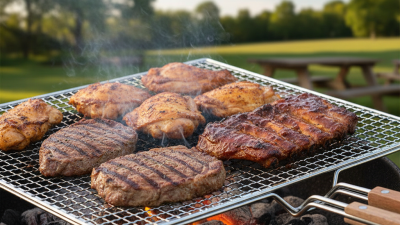
What is the Best Net for Cooking Meat for BBQ and Grilling
-
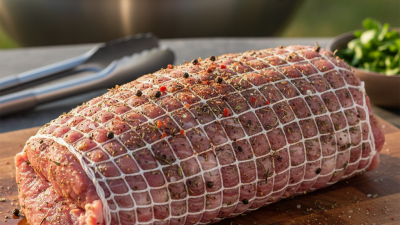
How to Prepare Delicious Netted Meat for Your Next Barbecue?
-
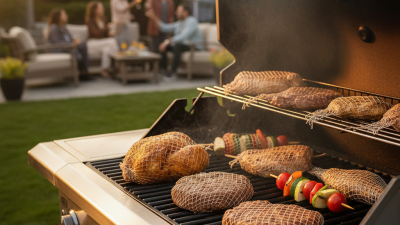
Best Meat Nets for Perfect Grilling Results in Your Backyard
-
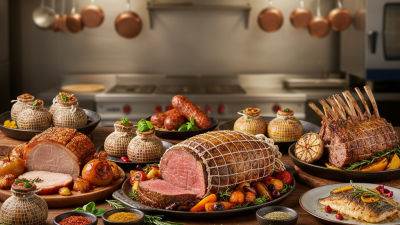
Top 10 Netted Meat Recipes You Must Try for Flavorful Dishes
-
10 Essential Tips for Using Mahogany Fibrous Casings Effectively