What is Cellulose Casing Edible and How is it Used?
Cellulose casing edible is gaining popularity in the food industry. This innovative material is made from plant fibers and offers a sustainable alternative to traditional casings. Used primarily in sausage production, it provides an ideal barrier against moisture and bacteria. Consumers are increasingly interested in eco-friendly options, making cellulose a hot topic.
Manufacturers appreciate cellulose casing edible for its versatility. It comes in various sizes and thicknesses to suit different applications. Some artisans embrace this material for its ability to create visually appealing products. Yet, it raises questions about texture and flavor. Not all sausage enthusiasts find it as satisfying as natural casings.
The rise of cellulose signifies a shift in consumer preferences. People want products that are both safe and environmentally friendly. While cellulose casing edible has many benefits, there are concerns. It may not always replicate the traditional taste experience. This leaves room for exploration in its development and use within the culinary world.
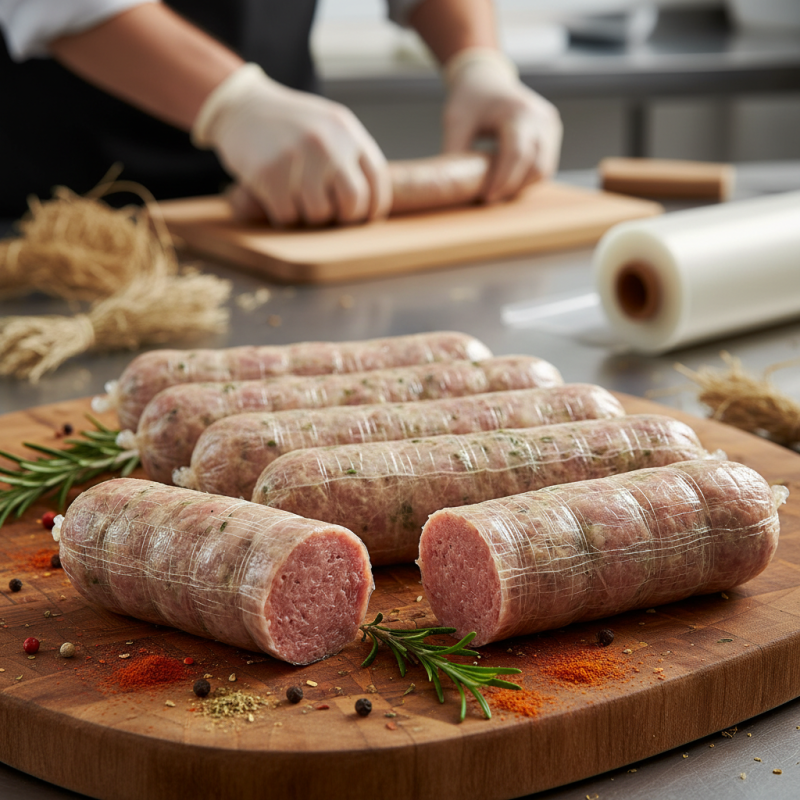
What is Cellulose Casing and Its Composition in Edible Applications?
Cellulose casing is a popular choice in the food industry. It is made from plant-derived cellulose, which is non-toxic and biodegradable. This casing is used in various edible products, such as sausages and hot dogs, creating a protective layer around the meat. The composition of cellulose casing includes natural cellulose fibers, water, and sometimes food-grade additives. These ingredients help maintain moisture and flavor while ensuring safety.
In edible applications, cellulose casing offers versatility. It provides a similar look and feel to traditional animal casings. This can appeal to consumers looking for plant-based options. The casing is tasteless, allowing the flavor of the product to shine through. It can be manufactured in various diameters, catering to different product designs. However, not all consumers appreciate the texture compared to natural casing. Some find it less satisfying.
There are challenges associated with using cellulose casing. It can be tricky to work with in certain settings. Producers must ensure proper hydration and temperature control during processing. This can lead to inconsistent results if not managed well. Additionally, while cellulose can be considered a sustainable option, its production needs careful consideration to minimize environmental impacts. Balancing functionality with ecological responsibility is essential.
Historical Development and Adoption of Cellulose Casing in Food Industry
Cellulose casing has gained traction in the food industry due to its unique properties and versatility. Its historical roots trace back to the early 20th century, when scientists began experimenting with plant fibers. They discovered that cellulose could be processed into a protective, edible casing for sausages and other meat products. This innovation offered a healthier alternative to traditional casings derived from animal intestines.
Adoption grew during the mid-1900s as manufacturers sought solutions for food preservation and safety. Cellulose casing proved effective in maintaining moisture and enhancing flavors. It also allowed for better control over food textures. Despite these benefits, some questions arose regarding consumer acceptance. Many people have strong ties to traditional meat products. Overcoming these perceptions has been a challenge for producers.
As the food industry evolves, cellulose casing continues to find its place. The rise of vegetarian and plant-based diets has sparked new interest. Manufacturers are experimenting with flavors and textures. However, some still ponder the balance between tradition and innovation. It remains crucial to engage consumers in discussions about the benefits of these advancements. The journey of cellulose casing is a reminder that food technology must embrace both tradition and progress for lasting success.
What is Cellulose Casing Edible and How is it Used? - Historical Development and Adoption of Cellulose Casing in Food Industry
| Dimension |
Details |
| Material Composition |
Made primarily from regenerated cellulose |
| Edibility |
Safe for human consumption |
| Main Uses |
Used as casings for sausages, hot dogs, and similar products |
| Benefits |
Offers uniform thickness, reduces risk of breakage, and enhances shelf life |
| Historical Development |
First introduced in the early 20th century |
| Adoption in Industry |
Widely adopted in modern meat processing industries due to hygiene and efficiency |
| Regulatory Approval |
Approved by food safety authorities including the FDA |
| Environmental Impact |
Biodegradable and environmentally friendly option |
Comparison of Cellulose Casing with Traditional Animal Casings in Use
Cellulose casing offers a modern alternative to traditional animal casings in the food industry. Made from plant-based cellulose, these casings are often used in processed meats. They provide a consistent texture and can be tailored for various products. According to a report by MarketsandMarkets, the global sausage casings market is expected to reach $4.6 billion by 2025, largely due to the rise of cellulose options.
The comparison between cellulose and animal casings reveals several advantages. Cellulose casings are more uniform in size and shape. They do not shrink during cooking, which ensures the product looks appealing. However, some experts highlight that cellulose casings can alter the mouthfeel of sausages, leading to mixed reviews among consumers. On the other hand, animal casings often impart a unique flavor but come with variations in quality and availability.
For manufacturers, cellulose casings represent a sustainable choice. They reduce reliance on animal husbandry and often have a lower environmental impact. However, the sourcing of plant fibers must also be sustainable to truly benefit the environment. This is an ongoing discussion. As we see increased demand, it's crucial to evaluate the balance between innovation and traditional practices in the food industry.
Comparison of Cellulose Casing and Traditional Animal Casings
Nutritional Benefits and Safety of Consuming Cellulose Casing Products
Cellulose casing, derived from plant fibers, is an innovation in the food industry. Many people wonder about the nutritional benefits and safety of consuming products made with it.
This casing is low in calories and rich in dietary fiber. According to the USDA, fiber intake supports gut health and can reduce the risk of chronic diseases. It provides a plant-based alternative for those seeking to lower their meat consumption.
Products with cellulose casing are often preferred due to their versatility in flavor and texture. Research indicates that these casings are safe to consume, as they are regulated and tested for food safety. However, individual responses may vary. Some people might experience discomfort if they consume large amounts. It’s crucial to listen to your body.
Tip: Start with small servings of cellulose casing products. This allows your digestive system to adapt. Monitoring your body’s reaction can help identify any potential sensitivities.
Another aspect to consider is the environmental impact. Cellulose casing is made from renewable resources, making it a sustainable choice. While many appreciate its benefits, some critics argue about packaging waste. Consumers must weigh these factors for their diets.
Tip: Explore local options that use cellulose casing, promoting sustainability while enjoying its benefits. It’s all about making informed choices for your health and the planet.
Market Trends and Consumer Preferences for Cellulose Casing in 2023
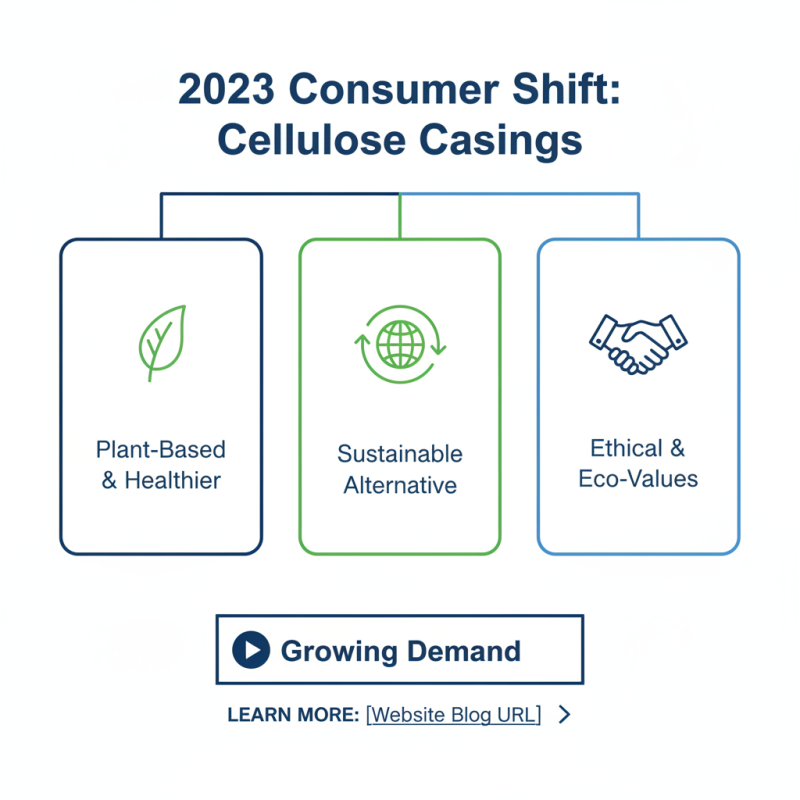
In 2023, consumer preferences for cellulose casings have shifted significantly. More people are seeking plant-based and healthier options. Cellulose casing, being derived from plant materials, fits this trend perfectly. It offers a sustainable alternative to traditional casings. The market sees a growing demand for products that align with ethical and environmental values.
One key aspect influencing consumer choices is health. Many now prefer products free from artificial ingredients. Cellulose casings often meet these expectations, being low in calories and fat. They provide a clean label that attracts health-conscious buyers. This year, transparency in production is crucial. Consumers want to understand what they eat.
Tips: Always read labels. Look for products that highlight cellulose casings. Additionally, consider trying a variety of flavors. Experimentation can lead to surprising favorites. Gathering feedback from friends or family can also help refine your choices. Don't hesitate to share your thoughts on what you like or dislike about different products. This reflection can make your shopping more intentional.