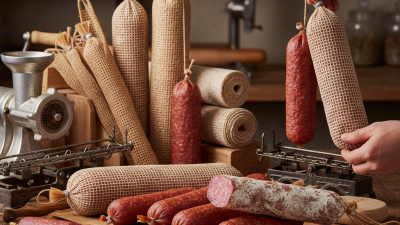
How to Choose the Right Fibrous Casings for Your Sausage Making?
When it comes to sausage making, the choice of fibrous casings can significantly impact the final product. Fibrous casings are known for their strength and versatility. They offer a great option for various types of sausages, from pepperoni to summer sausage. However, many beginners find the selection process daunting. With different sizes, textures, and uses available, confusion often sets in.
Choosing the right fibrous casings requires some consideration. Think about the type of sausage you want to create. Larger casings are ideal for bigger sausages, while smaller options suit breakfast links. Additionally, consider the flavor and texture you aim for. The casing can affect moisture retention and flavor infusion. There are times you may need to experiment before finding the perfect fit.
While fibrous casings present unique advantages, they also come with potential pitfalls. Not every casing will yield the results you envision. It may take several attempts to perfect your craft. Be prepared to reflect on what works best for you. Trial and error can lead to rewarding insights into your own sausage-making journey.

Factors to Consider When Selecting Fibrous Casings for Sausage
When choosing fibrous casings for sausage making, several factors come into play. First, consider the size and texture of your sausage. Fibrous casings come in various diameters. Selecting the right size ensures your sausage holds its shape and cooks evenly. Too large or too small can lead to inconsistent results.
Next, pay attention to the moisture barrier properties. Some casings are more permeable than others. If you want to retain more moisture, choose casings with tighter barriers. On the other hand, if a firmer texture is desired, opt for those with better air circulation. Additionally, think about the type of filling. Coarse or chunky mixtures may require sturdier casings that can withstand pressure without breaking.
Don't overlook the casing's cooking method compatibility. Some casings perform better in certain cooking processes. A casing that doesn't hold up well in your preferred cooking style can ruin your efforts. Be aware of your goals, whether it’s a rich flavor profile or a specific texture. Reflect on your past mistakes. Learning from them will guide you in making a more informed decision.
How to Choose the Right Fibrous Casings for Your Sausage Making? - Factors to Consider When Selecting Fibrous Casings for Sausage
| Factor | Description | Recommended Size | Best Use |
|---|---|---|---|
| Material | Common materials include cellulose, plastic, and natural. | 2 inches - 4 inches | Deli meats, hot dogs |
| Caliber | Choose diameter based on sausage type and size. | 32 mm - 50 mm | Sausages, salami |
| Strength | Consider the tensile strength, especially for larger sausages. | Strong | Smoked sausages |
| Permeability | Check moisture and gas permeability for optimal aging. | Medium | Air-dried sausages |
| Flavor | Natural casings impart flavor; synthetic do not. | N/A | Traditional sausages |
Types of Fibrous Casings and Their Applications in Sausage Production
When it comes to sausage making, choosing the right fibrous casing is crucial. Various types of fibrous casings are available, each with unique features and uses. Understanding these options enhances your sausage production quality.
Collagen casings are popular due to their ease of use and versatility. They are suitable for fresh or smoked sausages. These casings hold flavor well and provide a nice bite. However, they are often less elastic compared to natural casings. This might lead to burst sausages if overstuffed.
Some fibrous casings, made from cellulose, are ideal for dry sausages. They allow moisture to escape, which helps in the drying process. This casing type often peels off easily after cooking. Yet, ensure not to overcook your sausage. It can weaken the casing.
Tips: Always match the casing size to your sausage mix. A universal fit rarely works well. Pay attention to the fat content in your mixture; a higher fat content may require stronger casings. Test different types to see which texture you prefer.
Types of Fibrous Casings and Their Applications in Sausage Production
Understanding Size and Caliber Requirements for Fibrous Casings
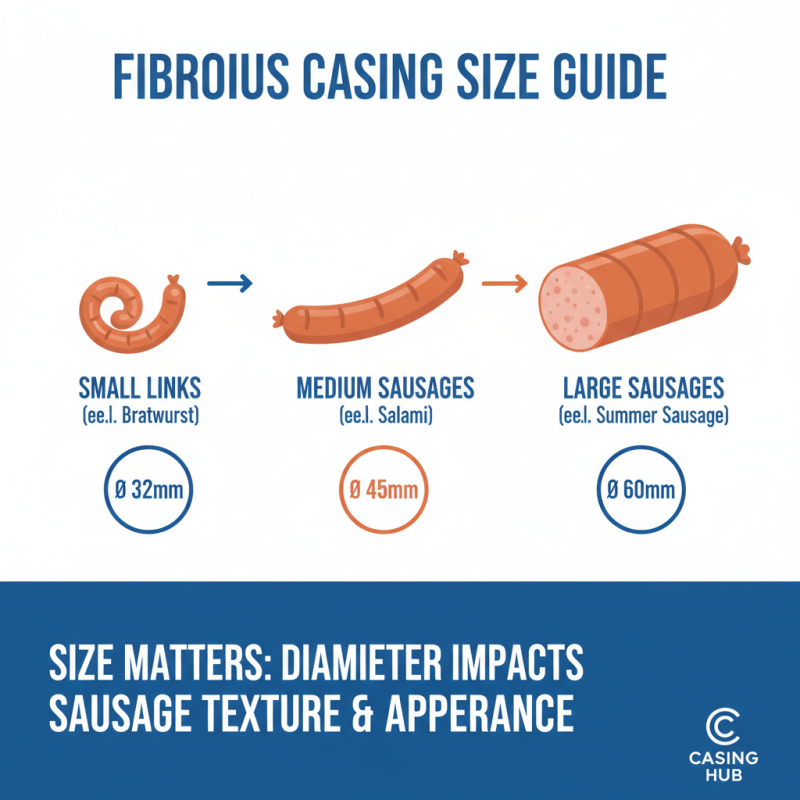
Choosing the right fibrous casings involves understanding their size and caliber requirements. The size of the casing directly influences the sausage's final appearance and texture. Sausages can range from small links to large salamis. Each type requires different casing diameters. For example, small bratwurst might need a 32mm casing, while summer sausages often require 60mm.
Caliber, or thickness, is also crucial. Thicker casings can provide a bite and help retain moisture. But, they might not cook evenly. In contrast, thinner casings could burst under high heat. Crafting the perfect sausage means finding a balance between size and caliber.
Experimenting with different options can be important. You may start with a size that seems right, but it might not yield your desired results. Some might prefer a firmer texture, while others seek a softer bite. Keeping notes on your attempts can help refine your choices. Success in sausage-making often lies in these subtle details.
Quality Comparison: Natural vs. Synthetic Fibrous Casings
When choosing fibrous casings for sausage making, knowing the difference between natural and synthetic options is crucial. Natural casings are made from animal intestines. Their appearance is irregular, which can add a rustic charm to your sausages. They are breathable and create a unique flavor, enhancing the taste of the meat inside. However, these casings require more care. They can be tricky to clean and may spoil quickly.
On the other hand, synthetic casings are consistent in size and shape. They often create a uniform look for your sausages, which some people prefer. They are easier to handle and usually more durable. But, they can lack the traditional flavor and aroma found in natural casings. Some synthetic options are non-edible, which may render them less desirable for certain recipes. It's essential to weigh these factors and reflect on what’s best for your sausage-making journey. Quality matters, but your personal preference is key.
Industry Standards and Regulations for Fibrous Casings in Sausage Making
When selecting fibrous casings for sausage making, it's essential to consider industry standards. These standards ensure that casings are safe and suitable for food production. Various regulations govern the materials used in casings. Manufacturers often adhere to safety guidelines set by health authorities. This ensures that the materials do not contain harmful substances.
Not all fibrous casings are created equal. Some may comply with regulations while still lacking quality. It's important to verify the certifications of the casings. This includes checking for approvals related to food safety. Also, pay attention to the sourcing of raw materials. Transparency is vital in this area, as suppliers should provide documentation.
Moreover, the choice of fibrous casings can impact the final product. Using subpar materials can lead to adverse flavors or textures in the sausage. This may require re-evaluation of your selection process. Reflect on previous experiences with different casings. What worked well? What did not? Keeping track of successes and failures can guide better choices in the future.
Related Posts
-
10 Essential Tips for Choosing Fibrous Salami Casing?
-
What is Plastic Sausage Casing and How is it Used?
-
10 Essential Tips for Using Roast Netting Effectively?
-

How to Choose the Best Fibrous Casing Suppliers for Your Needs?
-

10 Essential Tips for Using Cellulose Casing in Sausage Making?
-
What is the Best Net for Cooking Meat for BBQ and Grilling