How to Choose the Best Butchers Net for Your Meat Preparation Needs?

Choosing the best butchers net is essential for any meat preparation task. The right net can enhance the presentation and quality of meat products. According to industry reports, the global market for butchers net has grown by 15% over the past year. This growth indicates a rising demand for specialized meat preparation tools.

Industry expert John Smith emphasizes, "A quality butchers net not only secures meat but also enhances flavor and tenderness." Selecting the right material and size ensures that your meat stays intact during cooking. Each aspect influences the final result, making careful consideration crucial. Many chefs overlook the net's role, focusing more on seasoning. This can lead to suboptimal results in taste and presentation.

The right butchers net comes in various materials, each with unique benefits. Some are designed for specific cuts or cooking methods. A wrong choice can impact both appearance and flavor. Reflecting on these choices allows for improved outcomes. Understanding how to select the best butchers net is vital for anyone serious about meat preparation.

How to Choose the Best Butchers Net for Your Meat Preparation Needs?

Understanding the Different Types of Butchers Nets Available

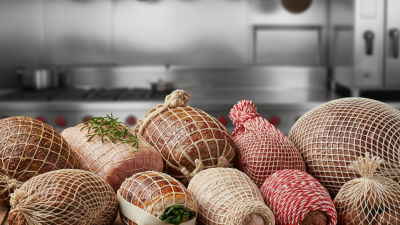
When it comes to meat preparation, selecting the right butcher's net is crucial. There are various types suited for different tasks. The most common types include synthetic nets and natural twine. Synthetic nets are durable and can withstand high temperatures. Natural twine, on the other hand, is often preferred for its traditional feel and ability to breathe.

Tips: Consider the type of meat you prepare. Firmer meats may need stronger nets. Softer cuts, like fish, require lighter options. Always think about the cooking method, too. For slow cooking, choose a net that holds well under moist conditions.

You might find that some nets are easier to work with than others. Experimentation can lead to both frustration and discovery. Certain materials may fray or snap unexpectedly. Always check your net for any signs of wear. This is often overlooked. Adjusting your choice based on these experiences can greatly enhance your meat preparation process.

How to Choose the Best Butchers Net for Your Meat Preparation Needs?

Type of Butchers Net Material Sizes Available Ideal For Usage Notes
Cotton Butchers Net 100% Cotton 1m, 2m, 5m rolls Roasting, Smoking Natural fibers are safe for use with all types of meat.
Polyethylene Butchers Net Polyethylene 1m, 2m, 3m rolls Vacuum Packing Good for items in vacuum packs to retain moisture.
Composite Butchers Net Nylon and Cotton Blend 1m, 10m rolls Roasting, Smoking, and Sous Vide Durable and flexible; ideal for cooking at low temperatures.
Bamboo Butchers Net Natural Bamboo 1m, 2m lengths Grilling Eco-friendly option; adds subtle flavor to meat.

Key Factors to Consider When Choosing a Butchers Net

How to Choose the Best Butchers Net for Your Meat Preparation Needs?

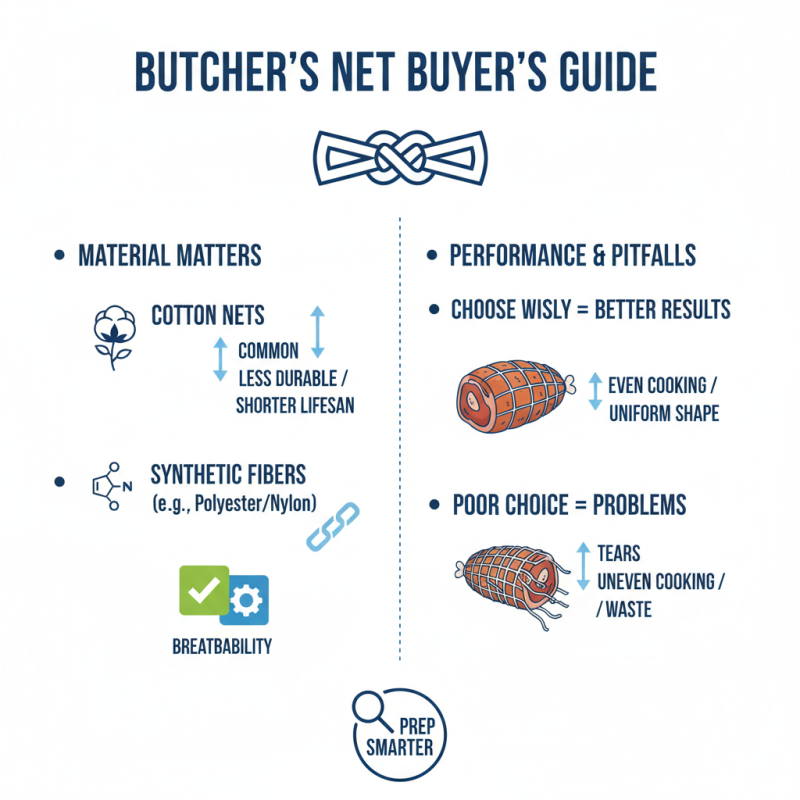
Choosing the right butchers net can significantly impact your meat preparation efforts. A key factor to consider is the material. Different materials offer varying levels of durability and breathability. For instance, cotton nets are common but may not last as long as synthetic fibers. If you choose poorly, you might end up with tears or poor performance.

Another important aspect is the size of the mesh. A finer mesh keeps smaller items securely in place, which can be crucial for preserving the quality of your meat. Think about how often you'll use it. If you're prepping larger cuts regularly, consider nets designed for that purpose. If not, a smaller option might suffice. Yet, sometimes a smaller net can limit your creativity. You may find it's not versatile enough for various cuts.

Lastly, don’t overlook the ease of cleaning. Some nets require special care, leading to frustration. A net that’s hard to clean can lessen its appeal over time. It's worth reflecting on how often you're willing to care for your butchers net before making a purchase. Ideally, you want something that maintains its integrity over repeated uses. Choosing the right net requires careful thought, balancing quality with practical needs.

Assessing the Material Quality of Butchers Nets

How to Choose the Best Butchers Net for Your Meat Preparation Needs?

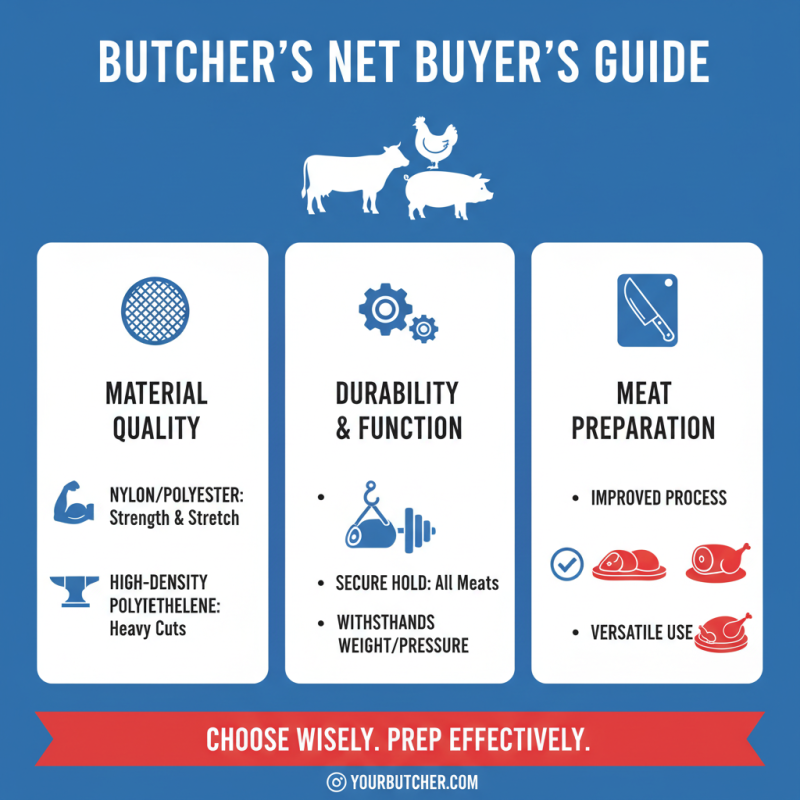
Choosing the right butcher's net is essential for effective meat preparation. The material quality of butcher's nets can significantly impact the durability and functionality of your preparation process. High-quality nets are often made from nylon or polyester. These materials provide strength and stretch, essential for securely holding various cuts of meat. Reports indicate that nets composed of high-density polyethylene can withstand substantial weight and pressure, making them an excellent option for heavy cuts.

When assessing material quality, consider the net's tensile strength and elasticity. A study by the Food Safety Institute showed that nets with higher tensile strength reduce the risk of breakage during preparation. This becomes crucial when you are dealing with larger pieces of meat. Poor-quality nets may fray or tear, leading to potential contamination or loss of product integrity. However, it’s essential to remember that if a net seems overly durable, it may be challenging to handle.

While selecting a butcher's net, think about how its material affects the meat's flavor. Certain synthetic materials may impart unwanted tastes or odors. A report from the Culinary Institute suggested that natural fibers, although less durable, could preserve the meat's natural qualities better. Be mindful of these aspects, as they can influence the final product's taste and presentation.

Evaluating Size and Strength for Your Specific Meat Preparation Needs

When choosing the best butchers net, size and strength are pivotal. The net’s size needs to accommodate the type of meat you prepare. According to a report by the Meat Industry Research Institute, different meats require specific netting dimensions. For example, a larger roast may need a more substantial net to ensure even cooking and easy handling.

Strength is equally important. A study by the Food and Agricultural Organization indicated that nets should withstand temperatures up to 220°C. Weak nets can break under pressure. This can lead to uneven cooking or, worse, meat loss. Always look for a net that combines durability and flexibility, allowing for efficient wrapping without tearing.

Tip: Measure your cuts before purchasing. This ensures you find a net that fits perfectly. Remember, a mismatch can complicate your cooking process. Also, consider the material type. Natural fibers are biodegradable but may lack the strength needed for heavy cuts. Reflect on your preparation style. Sometimes, a less strong net might suffice for smaller, lighter pieces.

Another tip: always check customer reviews focusing on size and durability. Insights from other users can reveal potential issues. The right butchers net should not only secure your meat but also simplify your preparation tasks.

Tips for Maintaining and Caring for Your Butchers Net

When it comes to a butcher's net, proper care is essential for longevity. After each use, rinse it thoroughly with cold water. Use mild soap to eliminate any odors or residue. Avoid chemicals that can degrade the material. A gentle scrub with a soft brush helps remove stubborn particles. Rinsing is crucial. Dry it flat in a shaded area to prevent mildew. Never wring it out or expose it to direct sunlight.

Check your butcher's net regularly for wear and tear. Look for loose threads or small holes. These can affect its functionality. If you notice any damage, consider patching it up if possible. Storing it properly is just as important. Keep it in a dry, cool place away from sharp objects. This prevents accidental cuts or abrasions. Regular maintenance can enhance its lifespan, but mistakes can happen. A forgotten cleaning session can lead to lingering odors. Reflect on your care routine to identify areas for improvement.

How to Choose the Best Butchers Net for Your Meat Preparation Needs

This chart illustrates the various types of butcher's nets and their suitability for different meat types based on user preferences.

We are using cookies on our website

Please confirm, if you accept our tracking cookies. You can also decline the tracking, so you can continue to visit our website without any data sent to third party services.