
What is the Concrete Batching Plant Process Explained?

The Concrete Batching Plant Process is pivotal in the construction industry. According to a report by Technavio, the global concrete batching plant market is expected to grow by over $500 million from 2021 to 2025. This growth highlights the increasing demand for high-quality concrete in various construction projects.

Understanding the Concrete Batching Plant Process is essential for optimizing production and ensuring quality. This process involves several steps, including material gathering, mixing, and delivery to construction sites. Each stage demands precise control to maintain the desired concrete specifications. Recent studies show that improper batching can lead to significant cost overruns and structural failures.

Nonetheless, challenges exist within this process. Factors such as equipment reliability, material availability, and operator training can impact efficiency. A report from the National Ready Mixed Concrete Association indicates that about 30% of production time can be lost due to delays. Reflecting on these challenges is crucial for industry stakeholders aiming to enhance productivity and quality in concrete production.
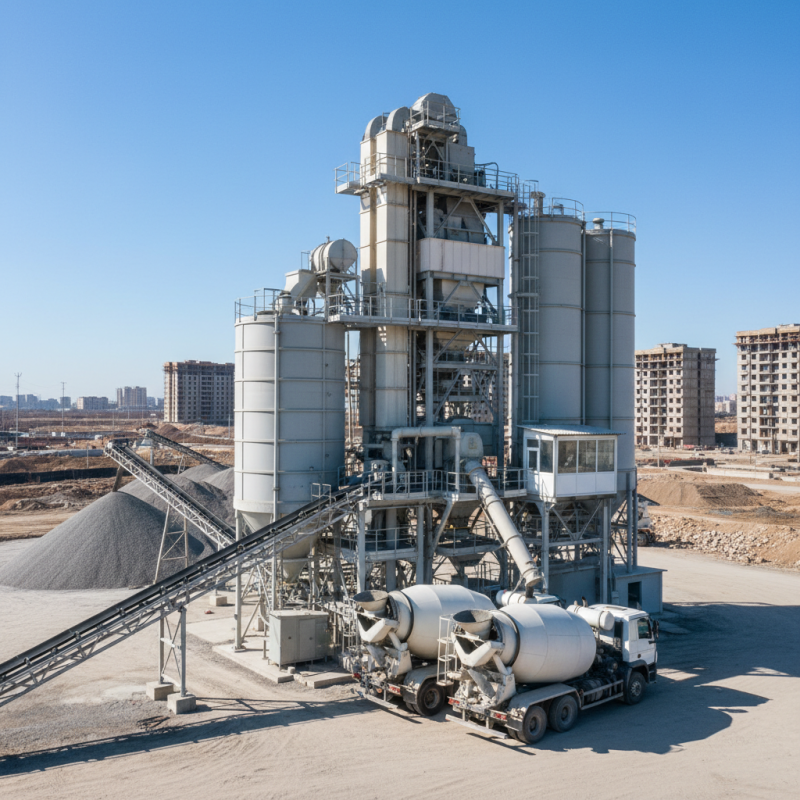
What is the Concrete Batching Plant Process Explained?

Understanding the Basics of Concrete Batching Plants

Concrete batching plants play a crucial role in the construction industry. They ensure a consistent supply of concrete tailored to specific requirements. According to the National Ready Mixed Concrete Association, about 70% of the concrete used in the U.S. is produced at these plants. This figure underscores their importance in modern construction processes.

The batching process is a blend of science and art. Various materials, such as cement, sand, gravel, and water, must be accurately measured. Inaccurate measurements can lead to issues like poor strength or durability. Reports indicate that improper batching can decrease concrete integrity by up to 15%. Such variability highlights the need for precision equipment and skilled operators.

Despite advancements in technology, challenges persist. For example, fluctuations in material quality can affect the final product. Operators often face difficulties in maintaining the right mix, especially with variable raw materials. This inconsistency can undermine project timelines and budgets. Continuous training and technology upgrades are essential to mitigate these issues.

Key Components of a Concrete Batching Plant

Concrete batching plants are essential in the construction industry. They mix various raw materials to produce concrete. Understanding their key components is crucial for efficient operations.

The primary components of a concrete batching plant include mixers, aggregate bins, and hoppers. Mixers are responsible for blending materials uniformly. According to the National Ready Mixed Concrete Association, 70% of concrete is produced using ready-mix methods, making effective mixing vital. Aggregate bins store different materials. The accurate measurement of these components affects the final product quality.

Hoppers play an essential role in transporting aggregates to the mixer. Proper handling reduces waste and enhances efficiency. Maintenance of these components is often overlooked. Regular checks are necessary to prevent downtime. Inadequate upkeep can lead to operational inefficiencies, as noted in a 2022 industry report indicating that poor maintenance leads to a 25% increase in production costs. Each part supports the plant's productivity, emphasizing the need for thorough management practices.

Step-by-Step Process of Concrete Mixing

The concrete batching plant process is crucial for producing high-quality concrete. This involves several steps to ensure an efficient mixing process. First, raw materials like cement, aggregates, and water are carefully measured and fed into the mixer. Precision is key, as even a slight variance can affect the final product’s strength and durability.

After measuring, the next step is mixing. A high-capacity mixer blends the ingredients to create a uniform mixture. According to industry reports, the mixing duration significantly impacts the concrete’s workability and setting time. A thorough mix is vital. If not mixed adequately, the concrete may exhibit inconsistencies, leading to structural weaknesses.

**Tips:** Regular maintenance of equipment can prevent mixing issues. Using automated batching software also enhances accuracy. Finally, always double-check ingredient ratios before mixing. This helps avoid costly mistakes. Remember, even minor errors in the process can lead to significant quality setbacks. Evaluating and reflecting on each step can improve overall outcomes.

Concrete Batching Plant Process Data Visualization

Quality Control Measures in Concrete Production

Quality control is critical in concrete production. It ensures that the final product meets set standards. Implementing effective measures can prevent costly mistakes and enhance the performance of concrete structures.

Concrete ingredients must be carefully selected and tested. Aggregate size and quality greatly affect concrete strength. Water quality is equally important. Even slight impurities can alter the final mix. Regular testing of materials can catch issues early.

**Tips:** Monitor moisture content continuously. Humidity can change the characteristics of aggregates. Adjusting water percentages is essential to maintain mix consistency.

Taking samples regularly during production is advisable. These samples should undergo compression tests. It can reveal how well the concrete will perform under pressure. Remember, even small variations in mix design can lead to significant differences in strength.

**Tips:** Always keep a log of batches produced. Documenting records helps trace back any issues. Learning from past mistakes promotes continuous improvement in quality control measures.

What is the Concrete Batching Plant Process Explained? - Quality Control Measures in Concrete Production

Parameter Description Quality Control Method
Aggregate Size Size of the aggregate used in concrete Sieve Analysis
Water-Cement Ratio Ratio of water to cement in the mix Field Tests
Batching Accuracy Precision in weighing aggregates Calibration of Equipment
Concrete Strength Strength of the final concrete product Compression Testing
Mix Design Proportions of materials in the mix Laboratory Trials

Common Applications and Benefits of Concrete Batching Plants

Concrete batching plants play a crucial role in modern construction. These plants mix various ingredients, including cement, aggregates, and water, to produce concrete. The process ensures consistency and quality control in concrete production. According to a report from the World Cement Association, the global concrete market expects a compounded annual growth rate of 8.5% between 2021 and 2026. This growth highlights the increasing reliance on efficient batching plants.

The benefits of concrete batching plants extend beyond quality. They enhance project efficiency. Consistent production reduces waste and lowers costs. Furthermore, automation in these plants allows for precise measurements and rapid mixing. In a study conducted by the National Ready Mixed Concrete Association, 70% of producers reported increased productivity from using batching plants. However, challenges like equipment maintenance and operator training remain. Monitoring these areas is essential for ongoing success.

Common applications for concrete batching plants include residential and commercial construction, roadways, and infrastructure projects. Each application demands specific concrete properties, and batching plants can adapt to these needs. Despite their advantages, some plants struggle to meet environmental regulations. Addressing emissions and waste disposal is critical for sustainable operations. Balancing productivity with environmental responsibility is an ongoing industry challenge.

We are using cookies on our website

Please confirm, if you accept our tracking cookies. You can also decline the tracking, so you can continue to visit our website without any data sent to third party services.