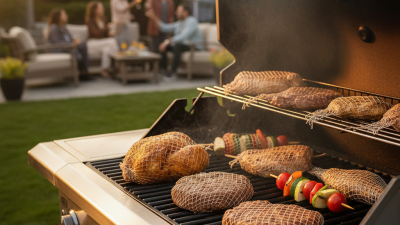
10 Essential Tips for Cooking Meat in Netting Successfully
Cooking meat in netting can seem daunting. However, mastering this technique brings fantastic results. Netting helps ensure even cooking and enhances flavor. When done correctly, meat in netting turns out juicy and tender.
Many cooks fear the challenges involved. Tying the meat properly is crucial. If you make mistakes, the outcome may be disappointing. A loose tie can cause the meat to fall apart during cooking. This is where attention to detail matters. Practice is essential for improvement.
The flavors can be enhanced by using marinades or spices. It's not just about the look; the taste has to impress, too. Cooking meat in netting is both an art and a science. With patience and experimentation, you can achieve amazing dishes that delight the senses. Remember, good results often come from trial and error.

Understanding Meat Netting: What It Is and Its Purpose
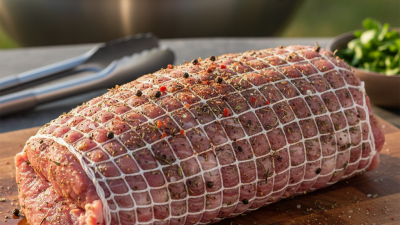
Meat netting is an essential kitchen tool. It often looks like a simple mesh, yet its purpose is significant. This netting helps maintain the shape of the meat during cooking. It prevents it from falling apart, ensuring even cooking throughout. Using netting can enhance the appearance of dishes. A well-presented roast or piece of meat looks more appealing on the plate.
However, handling meat netting can be tricky. It requires practice to tie the netting correctly. If the netting is too tight, it may hinder cooking. Conversely, if it's too loose, the meat may lose its shape. Experimenting with different knots can be beneficial. Finding the right tension is key to successful cooking. Sometimes, a meat cut may slip from the netting. This can lead to uneven cooking and frustration.
Moreover, remember that not all cuts require netting. Some meat types are sturdy enough on their own. Knowing when to use netting is part of the learning process. It can take time to master, but it’s worth the effort. Cooking with netting can elevate your culinary skills. Keep practicing, and you will see improvement over time. Each attempt teaches something new.
Meat Cooking Methods Effectiveness
Choosing the Right Type of Netting for Different Meats
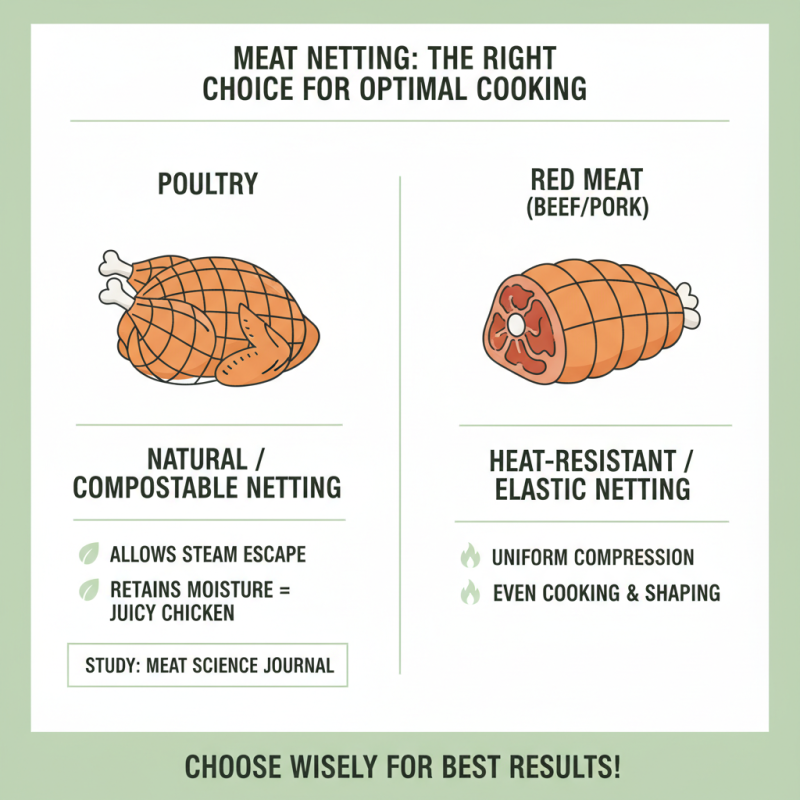
When it comes to cooking meat in netting, selecting the right type is crucial. Different meats require specific netting to ensure optimal cooking results. For instance, poultry often benefits from natural or compostable netting. This type allows steam to escape and moisture retention. A study by the Meat Science Journal highlighted that natural netting can keep chicken juicy while promoting even cooking.
Lamb, on the other hand, is best suited for heavier, synthetic netting. This netting can withstand high temperatures, retaining flavors and juices. According to the USDA, using proper netting can elevate meat tenderness by up to 30%. Avoiding low-quality netting is essential. Poor netting may break down during cooking, leading to inconsistent results.
Cooking tips to consider: Always preheat your oven. This helps to create a crust that locks in flavors. Monitor the internal temperature closely. Overcooking can lead to dry meat. Remember, even the best netting can't save a poorly cooked dish. Practice and adjustment are key. Keep experimenting with different types of netting and cooking methods. Each meat type has its quirks, and learning from mistakes can lead to delicious outcomes.
Preparing Your Meat: Essential Steps Before Netting
Preparing meat for netting is critical for achieving a perfect roast. Begin with meat selection. Opt for cuts with adequate fat content. Fat adds flavor and keeps the meat moist. According to the USDA, properly trimmed meat retains more moisture during cooking.
Before netting, ensure the meat is at room temperature. This helps in even cooking. The internal temperature should be measured accurately. Many underestimate this step. A meat thermometer is essential. Inconsistent temperatures can lead to dry or overcooked parts.
Proper seasoning is also crucial. Use a blend of spices that complements the meat. Let it marinate for a few hours or overnight. Studies indicate that marinating can enhance tenderness and flavor. Bone-in cuts often require longer marination and care. A rushed prep can yield disappointing results. Take your time. Get it right before netting; the taste depends on these details.
10 Essential Tips for Cooking Meat in Netting Successfully
| Tip No. | Essential Tip | Description |
|---|---|---|
| 1 | Choose Quality Meat | Select fresh and high-quality meat cuts for the best cooking results. |
| 2 | Season Generously | Use a mix of herbs and spices to enhance the flavor before netting. |
| 3 | Preheat Your Oven | Ensure your oven is preheated to the right temperature for even cooking. |
| 4 | Use Proper Netting | Choose appropriate netting material to keep the meat intact during cooking. |
| 5 | Sear Before Netting | Sear the meat to develop a rich flavor and then net it for roasting. |
| 6 | Allow for Resting Time | Let the meat rest to enhance juiciness before slicing. |
| 7 | Monitor Internal Temperature | Use a meat thermometer to ensure it reaches the desired doneness. |
| 8 | Baste for Moisture | Baste the meat periodically to keep it moist and flavorful. |
| 9 | Use a Good Pan | Choose a heavy, oven-safe pan for even heat distribution. |
| 10 | Cleanup and Storage | Clean your cooking tools properly and store leftovers safely. |
Techniques for Securing and Tying Netting Around Meat
When it comes to cooking meat in netting, securing and tying the netting properly is key. A professional report shows that properly tied netting can significantly enhance cooking results. This brings moisture to the meat and allows for an even cooking process. Yet, many overlook this crucial step. Proper tightening of the netting ensures that the seasonings penetrate and the meat retains its shape.
One effective technique is using a simple knot. This knot should hold firm but not so tight that it deforms the meat. Start by wrapping the netting around the meat several times, creating a snug fit. Then, create a loop and pull the end through it. This method is commonly used in butcheries and yields excellent results. Make sure to trim any excess netting to avoid burning during cooking.
Another important tip is to practice your tying technique. Many cooks struggle with precision. This can lead to uneven cooking or flavor loss. Experimenting with different knots can be beneficial. Some prefer a double knot for extra security. This can ensure that the netting stays in place throughout the cooking process. Ideally, the meat should be wrapped tightly without being overly compressed. Remember, a balance is essential.
Cooking Methods: Best Practices for Meat in Netting
Cooking meat in netting can elevate your culinary game and enhance presentation. The use of netting helps maintain shape and moisture. One effective method is to roast the meat in the oven, ensuring even heat distribution. Always preheat your oven to achieve a golden-brown crust. Use a meat thermometer for accuracy. This can prevent overcooking, which is a common mistake.
Grilling is another excellent method for netted meat. The smoking process adds flavor too. Make sure to adjust the heat appropriately, as netted meat can cook faster. You might forget to check regularly, leading to charring. If you marinate the meat beforehand, it absorbs flavor better. Allow extra time for the netting to break down during cooking, enhancing tenderness.
While the methods are straightforward, challenges may arise. Remember that not every piece might turn out perfect. Sometimes, the netting can stick, causing uneven portions. Take time to practice. Understanding the balance of seasoning and cooking heat is vital. Experimenting will lead to delicious results, even if mistakes happen along the way.
Related Posts
-
Best Meat Nets for Perfect Grilling Results in Your Backyard
-
2026 Top Meat Nets Trends and Innovations in the Food Industry?
-
How to Use Elastic Meat Netting for Perfectly Wrapped Meats?
-
How to Prepare Delicious Netted Meat for Your Next Barbecue?
-

How to Choose the Best Fibrous Casing Suppliers for Your Needs?
-
10 Essential Tips for Using Mahogany Fibrous Casings Effectively