10 Essential Tips for Using Net for Cooking Meat Perfectly

In the world of culinary arts, mastering meat cooking techniques is essential. “The right tool can transform your cooking experience,” says chef David Moloney, an expert in using net for cooking meat. His belief underscores the importance of choosing appropriate equipment.

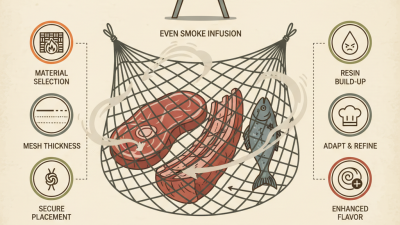
Net for cooking meat provides an innovative method for achieving perfect results. Using a net can enhance the evenness of heat distribution, ensuring the meat cooks uniformly. This method may seem unconventional to some, but it offers significant benefits. However, people often overlook common pitfalls, such as inadequate seasoning or incorrect temperatures. These details matter greatly.

Cooking meat isn’t just about techniques; it’s also about personal touch. Mistakes can lead to unexpected flavors or textures. Remember, perfection is elusive. Embrace the journey, learning from each experience, and allow “net for cooking meat” to elevate your culinary skills.
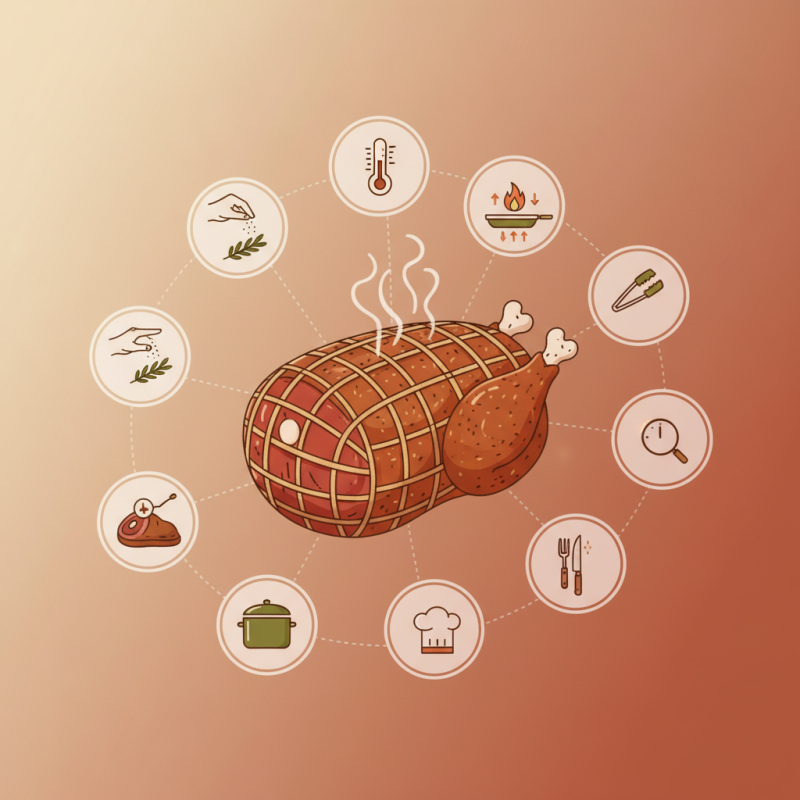
10 Essential Tips for Using Net for Cooking Meat Perfectly

Understanding the Basics of Cooking Meat with the Net Technique
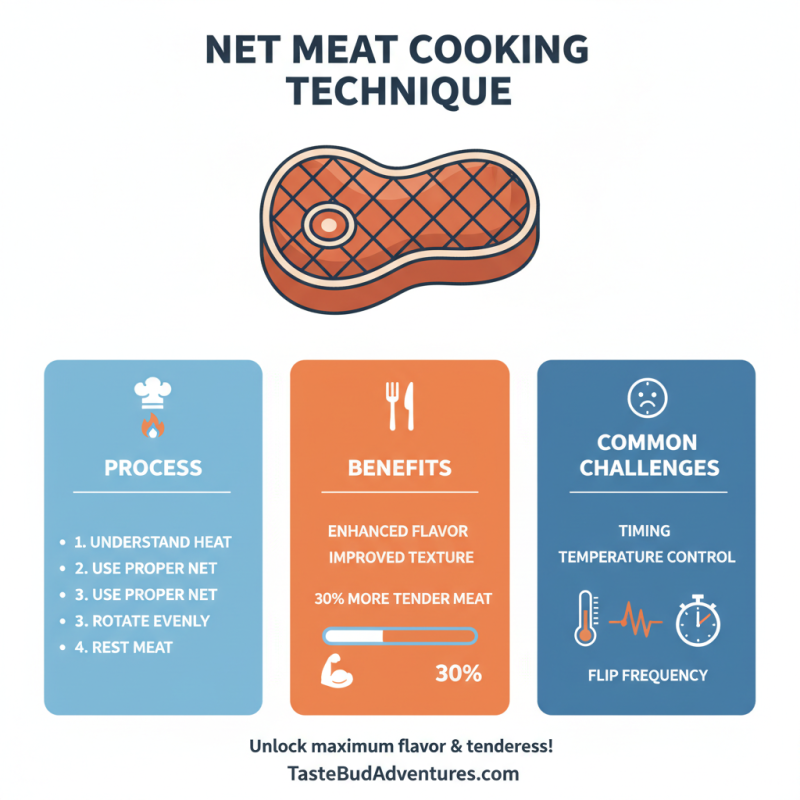
10 Essential Tips for Using Net for Cooking Meat Perfectly

Cooking meat using the net technique requires a solid understanding of the process. This method can enhance flavor and texture. Studies indicate that proper cooking can increase the tenderness of meat by up to 30%. However, many home cooks struggle with timing and temperature control.

The net technique involves using a mesh or string to hold the meat in a specific shape. This can lead to more even cooking. According to culinary experts, this technique also helps retain juices, making the meat juicier. It’s easy to overlook the importance of resting time after cooking. Skipping this step can result in dryness, diminishing your hard work.

Many people overshoot cooking times. A survey revealed that 65% of cooks tend to overcook meat, leading to tough textures. Understanding the right internal temperatures is crucial. For example, medium-rare beef should reach 130-135°F. It's essential to use a reliable meat thermometer for accuracy. Mistakes in this area can ruin a meal that was otherwise perfectly prepared.

Optimal Meat Cuts for Net Cooking: Choosing the Right Type

Choosing the right cut of meat is crucial for optimal net cooking. Certain cuts perform better than others. According to industry reports, tougher cuts like brisket or chuck roast benefit from longer cooking times. They become tender and flavorful. However, beauty lies in imperfections. Not all cuts are perfect for every dish.

Consider lean cuts such as chicken breast or pork loin. They cook quickly, but they can dry out if overcooked. A study by the Culinary Institute highlights that maintaining moisture is key. If you're unsure about your technique, don’t be afraid to experiment. An imperfect result can lead to valuable learning experiences.

Moreover, marbling affects flavor and texture. Well-marbled beef generally offers a richer taste. Research shows that a fat content of around 20% is ideal for juiciness. Test different cuts to discover what suits your palate best. Remember, cooking is about innovation and personal preference. Allow yourself to make mistakes along the way. They often lead to the most delicious discoveries.

Target Temperatures: Ensuring Perfectly Cooked Meat Every Time

When it comes to cooking meat, target temperatures are crucial for achieving the perfect result. Under-cooking can lead to safety issues, and over-cooking often results in dry, tough meat. Knowledge of the ideal internal temperatures for various meats makes a huge difference. For instance, poultry should reach 165°F, while medium-rare beef needs around 135°F. These benchmarks are not just numbers; they define the tenderness and flavor of your dish.

Avoiding the perfect temperature might lead to mistakes. Over and under-cooking meat can ruin a dinner. Use a reliable meat thermometer to track the internal temperature. It takes the guesswork out of cooking. Remember, carryover cooking can also affect the meat's final temperature. This means it can continue cooking after being removed from heat. Allowing your meat to rest is just as important. It allows juices to redistribute, ensuring that each bite is delicious.

Focusing only on time can be misleading. Different cuts require varied cooking times. Keep an eye on your meat. Consider using an instant-read thermometer for accuracy. The right tools can make all the difference. Sometimes, cooking meat perfectly is an art and a science bound to imperfections. Embrace the learning process. Every kitchen mishap teaches a valuable lesson for the next meal.

Timing and Techniques: Key Steps for Effective Net Cooking

Cooking meat using a net can be a game-changer. The technique holds the meat together, ensuring even cooking. Timing is crucial here. If the meat is not cooked long enough, it remains tough. Conversely, overcooking leaves it dry and chewy. A digital thermometer can be handy. It helps you track the internal temperature accurately.

When using a net, preparation counts. A simple spice rub can enhance flavor dramatically. Yet, too much might overpower the meat's natural taste. Be careful with seasoning. After placing the meat in the net, allow it to rest for a moment before cooking. Short breaks can improve moisture retention. It's essential to balance cooking time with temperature. Sometimes, you may pull the meat too early or leave it too late. Learning the right timing takes practice and patience.

Don’t worry if the outcome isn’t perfect the first time. Each attempt is a step toward improvement. Reflect on what worked and what didn’t. This is a journey of culinary growth. Make notes of adjustments for your future cooking sessions, so each dish can be better than the last.

10 Essential Tips for Using Net for Cooking Meat Perfectly - Timing and Techniques: Key Steps for Effective Net Cooking

Tip Description Timing (Minutes) Technique
1. Choose the Right Cut Select cuts that benefit from net cooking, such as chicken thighs or pork tenderloin. 15 Trimming
2. Season Generously Use salt, pepper, and herbs to enhance the natural flavors of the meat. 10 Marinating
3. Secure with Netting Wrap the meat in cooking net to maintain shape and ensure even cooking. 5 Wrapping
4. Preheat Your Oven Ensure the oven is at the right temperature before placing the meat inside. 10 Heating
5. Monitor Internal Temperature Use a meat thermometer to ensure the meat reaches the desired doneness. Varies Checking
6. Let It Rest Allow the meat to rest after cooking to retain juices and enhance flavor. 10 Resting
7. Slice Against the Grain Cutting meat against the grain helps maintain tenderness. 5 Slicing
8. Experiment with Flavors Try different herbs and spices to create unique flavor profiles. Time Varies Flavoring
9. Clean Cooking Surface Always start with a clean grill or oven to prevent unwanted flavors. 5 Cleaning
10. Use Leftovers Wisely Incorporate leftover meat into salads, sandwiches, or stews for additional meals. Varies Utilizing

Safety First: Best Practices for Handling and Cooking Meat

Cooking meat safely is crucial. According to the USDA, 1 in 6 Americans get foodborne illnesses annually. Handling raw meat requires care to avoid cross-contamination. Always use separate cutting boards for meat and vegetables. This simple practice can reduce risks significantly. Wash hands thoroughly after touching raw meat to minimize bacterial spread.

Using a food thermometer is essential. Ground meats should reach 160°F, and whole poultry should be cooked to at least 165°F. Undercooking can lead to serious health issues. Many people underestimate this step. They rely on color or texture, but these can be misleading. In fact, 30% of people admit they do not consistently check meat temperatures.

Leftovers need attention too. Refrigerate them within two hours. The CDC states that improper storage leads to bacterial growth. Often, people leave dishes out, thinking they will be fine. This can be a dangerous assumption. Always store leftovers in shallow containers for quick cooling. These habits are simple but effective in preventing illnesses.

We are using cookies on our website

Please confirm, if you accept our tracking cookies. You can also decline the tracking, so you can continue to visit our website without any data sent to third party services.