10 Essential Tips for Using Roast Netting Effectively?

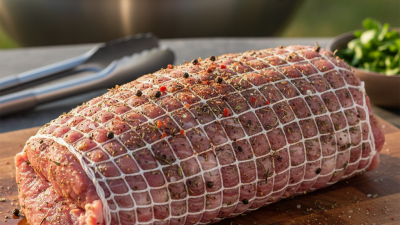
Roast netting is a culinary tool that can elevate your cooking game. It’s not just about wrapping meat; it’s about enhancing flavors and achieving perfect textures. Many home cooks overlook its potential. Using roast netting effectively requires a few essential techniques.

When used correctly, roast netting helps retain moisture. It keeps the meat intact as it cooks, but it can be tricky. If tied too tightly, the meat may dry out. If not secure, it might fall apart when cooked. This balance is crucial for delicious results.

Understanding how to use roast netting can make a significant difference in your dishes. The right approach can turn a simple roast into a feast. However, many struggle with the tying process. It may take time to master, but practice leads to improvement. Embrace the learning curve as you explore the art of roast netting.
10 Essential Tips for Using Roast Netting Effectively?

Understanding Roast Netting: Purpose and Benefits

Roast netting serves a crucial role in cooking. It helps to maintain the shape of meat while cooking. This keeps the juices locked inside. The even heat distribution is also beneficial. Without netting, pieces can warp, losing their appealing presentation.

Using roast netting can provide several advantages. It allows for better seasoning penetration. When seasoned well, the flavors are enhanced throughout the meat. Cooking time may reduce since it retains moisture. However, it’s important to ensure that the netting is tight. A loose fit could lead to uneven cooking.

While many chefs embrace roast netting, it’s not without flaws. Sometimes, it can create a mess during the carving process. Removing it can be tricky and time-consuming. It's a learning curve. Experimenting with different meats also yields varied results. Not every cut responds well to netting.
Choosing the Right Type of Roast Netting for Your Cooking Needs

When choosing the right type of roast netting, consider your cooking needs carefully. Not all netting is equal. Look for options made from durable materials. Some are designed for high-heat cooking, while others are better for slow roasts.

Tip 1: Think about the size of your meat. Larger cuts may need heavier netting. For smaller pieces, lighter options work just fine. A snug fit can help maintain shape while cooking.

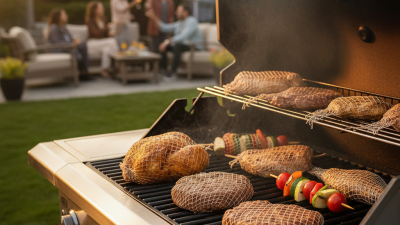
Tip 2: Pay attention to the cooking method. If you use a grill, opt for netting that can withstand direct heat. For oven roasting, regular netting is typically sufficient. Remember, using the wrong type can lead to uneven cooking.

Tip 3: Test the netting's strength. Sometimes, it may break during cooking. This can leave your meat exposed and dry. It's crucial to choose a product that fits well and can endure your methods.

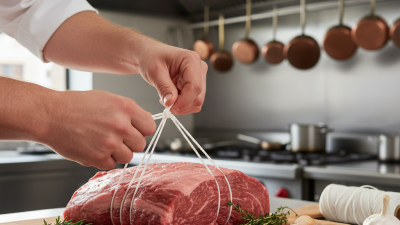
Techniques for Properly Wrapping Meat with Roast Netting

10 Essential Tips for Using Roast Netting Effectively?

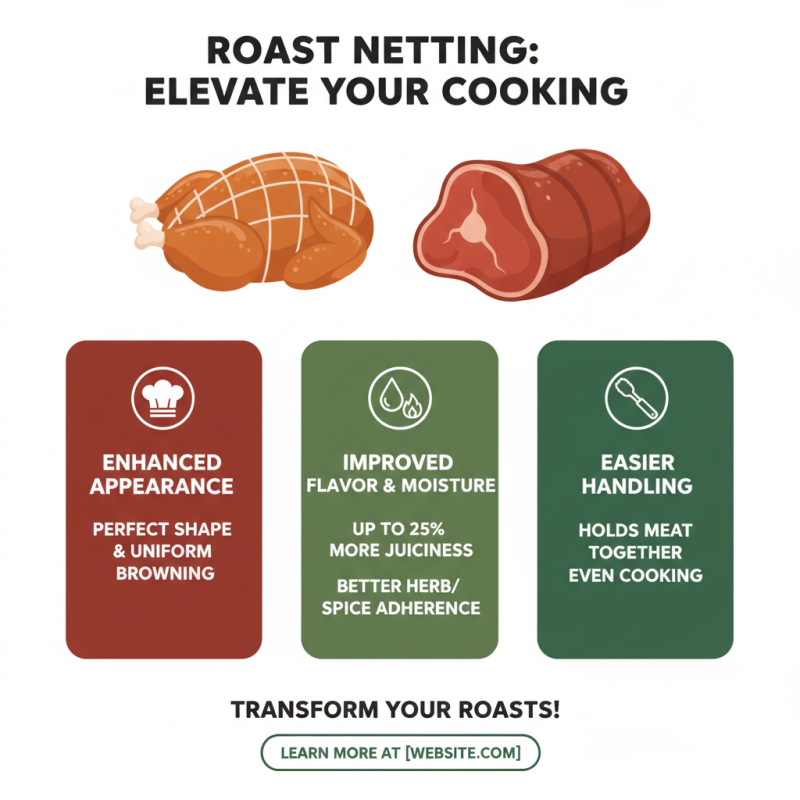
Using roast netting can transform your cooking process. Properly wrapping meat not only enhances appearance but also improves flavor retention. Studies show that well-wrapped meat retains up to 25% more moisture during cooking. This is crucial, especially for cuts that tend to dry out quickly.

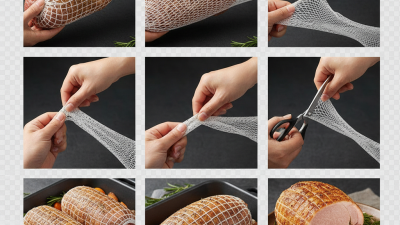
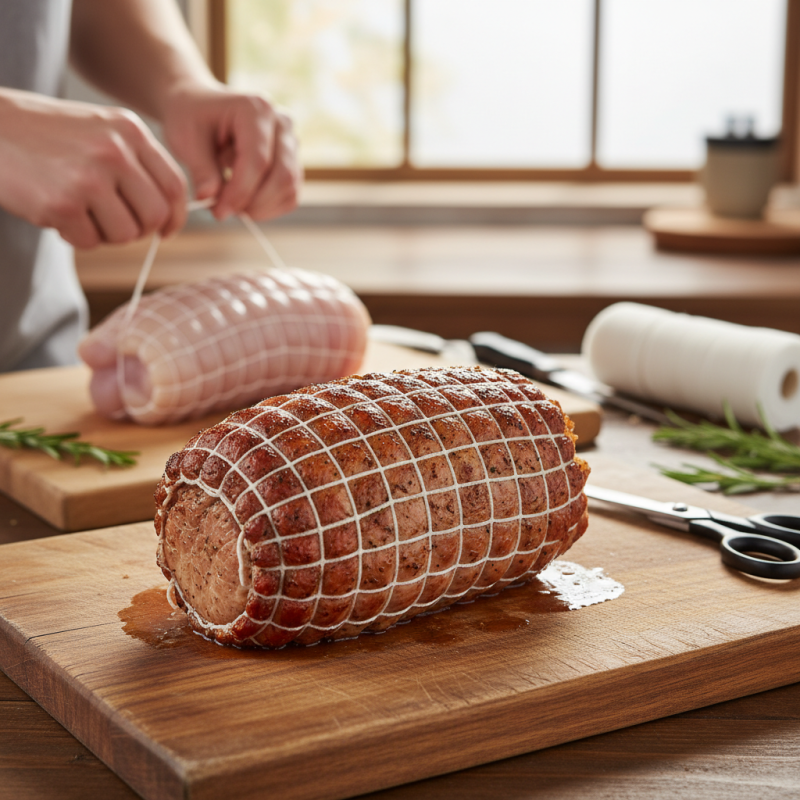
To start, select the right size netting, ensuring that it complements the size of your meat. Too much slack can cause uneven cooking. Aim to cover the surface area effectively, but don’t overdo it. Remember, flaws can happen. If you notice gaps, your seasoning might not penetrate well. This could affect flavor in the finished dish.

When wrapping, always secure the ends tightly. If the netting is loose, it may separate during cooking. A snug fit helps maintain shape while enhancing heat distribution. Finally, consider the direction of your netting. Wrapping against the grain can help the meat hold its juices better. Yet, if you’re unsure, practice makes perfect. Don’t be discouraged if your first attempts aren’t flawless. Each roast presents an opportunity to refine your technique.

Tips for Cooking Times and Temperatures with Roast Netting

Roast netting can transform your cooking game. When using it, timing and temperature are crucial. First, assess your cut of meat. Larger cuts need longer cooking times. However, don’t rely solely on size. It can be tricky to judge doneness. A meat thermometer will be your best friend. Aim for an internal temperature around 145°F for medium-rare.

When wrapping your roast, the netting must distribute heat evenly. This helps achieve an even cook throughout. Some squeezes of spices between the netting and meat can enhance flavor. Watch for any excess liquid pooling; it alters cooking times. Do not rush the resting process after cooking. Letting it sit for 10-15 minutes ensures juicy slices.

Cooking with roast netting isn’t just about following instructions. It requires attention and care. Pay attention to changes in color and texture during cooking. Overcooked meat can lose its appeal. If your roast is drying out, consider adjusting your heat settings. Each attempt can lead to improvements in your technique.

Cleaning and Storing Roast Netting for Future Use

Cleaning roast netting after use is essential for maintaining its quality. It's best to remove any food residue immediately to prevent hard-to-clean stains. Use warm, soapy water and a soft brush to scrub away leftovers. Rinse well to remove soap residue completely. If the netting has become stained, let it soak for a while before scrubbing.

Storing roast netting properly is just as important. After cleaning, dry it thoroughly to avoid mold. Store it in a cool, dry place. A dedicated container can help keep it safe. Avoid cramming it into a drawer; this can damage its shape. Sometimes, I find that I forget about my netting until I need it again. It’s frustrating when it’s not in the best condition. Regular checks can help ensure it’s ready when you need it.

10 Essential Tips for Using Roast Netting Effectively

Tip Number Tip Description Cleaning Method Storage Tips
1 Choose the Right Size Netting Rinse with warm water Store in a cool, dry place
2 Carefully Wrap Meat Soak in vinegar solution for stains Use airtight containers
3 Avoid Overstuffing Machine wash on gentle cycle Label each netting with contents
4 Secure Ends Properly Rinse well after cleaning Keep away from moisture
5 Trim Excess Netting Hand wash with mild soap Store flat to avoid creases
6 Monitor Cooking Times Inspect for tears before washing Avoid extreme temperature changes
7 Use Appropriate Heat Settings Dry thoroughly before storage Keep in a breathable fabric bag
8 Test for Stability Avoid harsh cleaners Rotate older nettings for use
9 Ensure Adequate Ventilation Check for odors while cleaning Store away from direct sunlight
10 Practice Safe Food Handling Use hot soapy water for cleaning Organize by size and type

We are using cookies on our website

Please confirm, if you accept our tracking cookies. You can also decline the tracking, so you can continue to visit our website without any data sent to third party services.