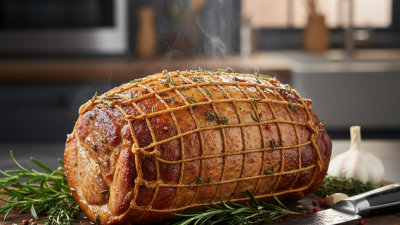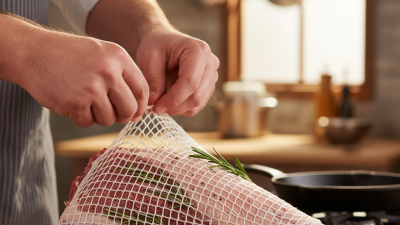
What is Fibrous Cellulose Casing and Its Top Uses in 2026?

Fibrous cellulose casing has gained remarkable attention in the food processing industry. By 2026, it is projected that this innovative product will play a crucial role in meat products and alternatives due to its versatility and sustainability. According to a recent industry report by MarketsandMarkets, the fibrous casing market size is expected to reach USD 1.2 billion by 2026, demonstrating a compound annual growth rate (CAGR) of 6.5%.

Expert Dr. Emily Parker, a leading authority on food packaging materials, states, "Fibrous cellulose casing is not just an alternative; it’s a game changer for manufacturers seeking eco-friendly solutions." This statement highlights the growing demand for sustainable food options. The fibrous cellulose casing stands out for its ability to enhance product appearance and extend shelf life.

Despite the promising outlook, challenges remain. Manufacturers must address concerns about cost and sourcing high-quality cellulose fibers. Balancing quality and sustainability is crucial for future developments. As the industry continues to evolve, manufacturers and consumers alike will need to reflect on the implications of adopting fibrous cellulose casing in their products.
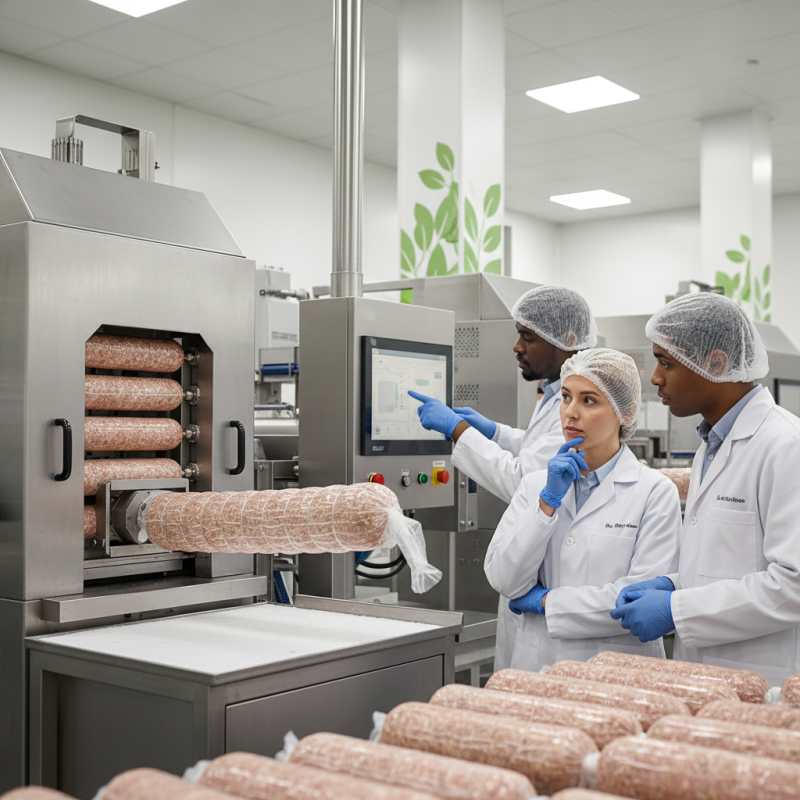
What is Fibrous Cellulose Casing and Its Top Uses in 2026?

Definition of Fibrous Cellulose Casing and Its Composition
What is Fibrous Cellulose Casing and Its Top Uses in 2026?

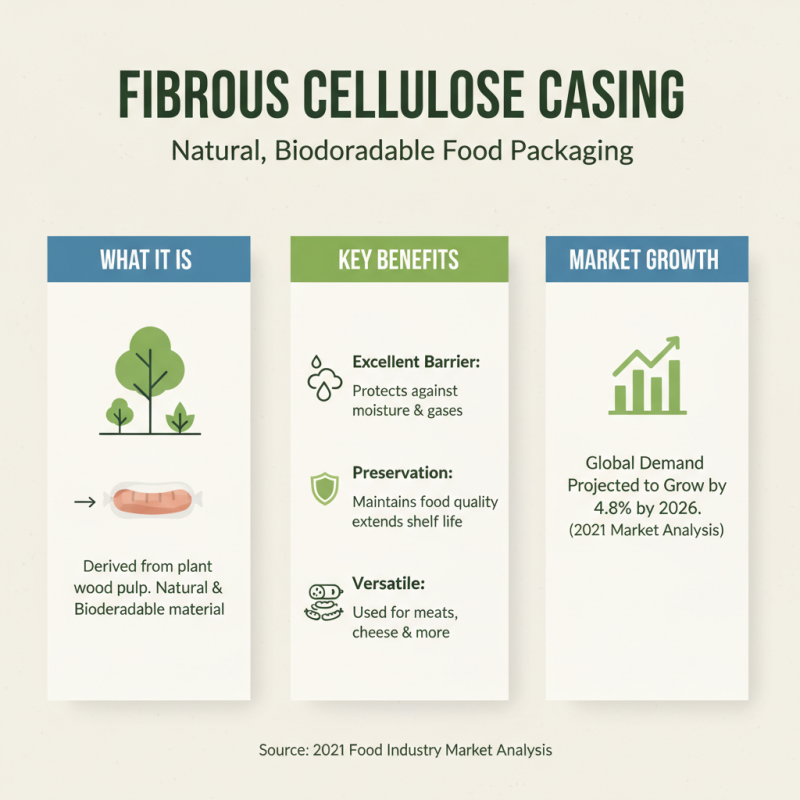
Fibrous cellulose casing is a natural, biodegradable material widely used in the food industry. It is derived from plants, primarily wood pulp. This casing offers an excellent barrier against moisture and gases, which helps preserve food quality. According to a 2021 market analysis, the global demand for fibrous casing is projected to grow by 4.8% by 2026.

The composition of fibrous cellulose casing typically includes cellulose, sodium alginate, and other plant-based additives. These ingredients enhance its structural integrity and functionality. Research shows that fibrous casings can withstand high temperatures, making them suitable for processes like smoking and cooking. While this casing is a practical choice, some manufacturers face challenges in sourcing high-quality materials. Ensuring sustainability can sometimes lead to inconsistencies in product quality.

As the food industry evolves, companies are exploring innovative uses for fibrous cellulose. Some applications include sausages, cheeses, and even plant-based products. Industry reports highlight a shift towards natural casings as consumers increasingly prefer clean-label products. However, there remains a need for research on improving the production process. Balancing efficiency with quality assurance is essential for future advancements.
Key Properties and Advantages of Fibrous Cellulose Casing

What is Fibrous Cellulose Casing and Its Top Uses in 2026?

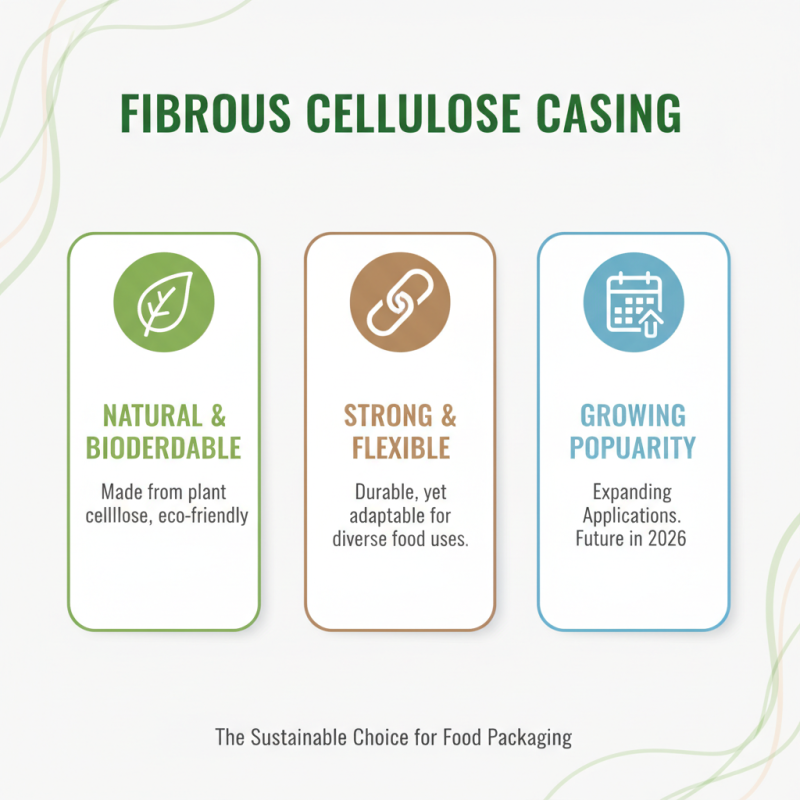
Fibrous cellulose casing is gaining popularity due to its unique properties. Made from natural cellulose, it is biodegradable and environmentally friendly. This casing is strong yet flexible, making it ideal for various food applications. In 2026, its use is expected to expand even further.

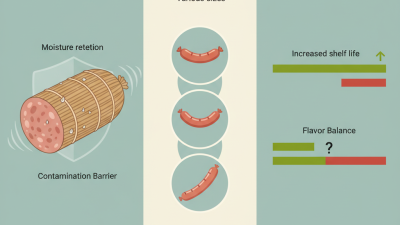
One key advantage of fibrous cellulose casing is its exceptional barrier qualities. It protects the contents from moisture and oxygen, extending shelf life. This property is essential for preserving flavor and nutrition in food products. Additionally, fibrous casing allows for even heat distribution during cooking, enhancing the final product's texture.

Tip: When using fibrous cellulose casing, ensure proper storage conditions to maintain quality. Over time, moisture can penetrate, affecting its integrity. Regularly inspect stored products for any signs of spoilage.

Another advantage is its versatility. Fibrous cellulose casing can adapt to various cooking methods, including smoking and baking. Its ability to hold shape during processing is a significant benefit for manufacturers. Experimenting with different applications can lead to exciting new products in the market.

Tip: For best results, conduct small-scale tests before larger production runs. This approach minimizes waste and allows for adjustments based on performance feedback.

Top Industries Utilizing Fibrous Cellulose Casing in 2026

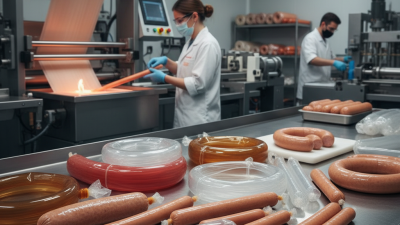
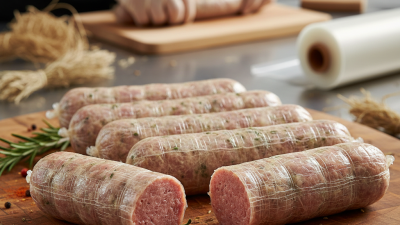
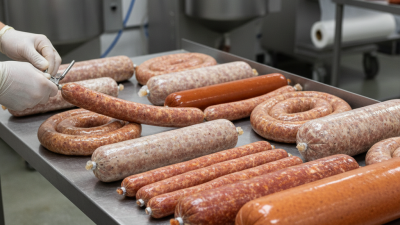
In 2026, fibrous cellulose casing is becoming increasingly popular across various industries. This innovative material, made from renewable sources, offers unique advantages in the food sector. It enhances texture and maintains moisture, making it a preferred choice for sausage and deli products. Producers appreciate its ability to mimic natural casings, ensuring consistency and quality in their offerings.

The pharmaceutical industry is also embracing fibrous cellulose casing. These casings provide a suitable barrier against contaminants, ensuring the safety of medical products. Their versatility makes them useful for encapsulating supplements and vitamins. This shift towards sustainable materials reflects a growing awareness of environmental impacts.

However, challenges remain. Some manufacturers are still unsure about processing methods. Adopting new technologies requires investment and training. There are concerns about supply chain consistency as demand increases. These issues warrant further discussion among industry leaders to facilitate a smoother transition towards fibrous cellulose casing.

Market Trends and Growth Projections for Fibrous Cellulose Casing

The fibrous cellulose casing market is expected to experience significant growth by 2026. Increased demand for natural and sustainable food products drives this trend. This casing, made from plant fibers, offers a biodegradable alternative to synthetic options. Many consumers are opting for eco-friendly packaging, making fibrous cellulose an attractive choice for companies.

Another crucial factor in this market growth is health consciousness among consumers. They prefer products with fewer additives and preservatives. Fibrous cellulose casing meets these criteria, appealing to health-focused shoppers. As this awareness increases, manufacturers are likely to invest in developing new applications for this material.

Challenges remain in the market. Educating producers about the benefits of fibrous cellulose is essential. Not all manufacturers are aware of its advantages. Additionally, some hesitate to switch from traditional options due to familiarity. Addressing these gaps in knowledge will be vital for market expansion in the coming years.

Innovative Applications of Fibrous Cellulose Casing in Food Processing

Fibrous cellulose casing is transforming food processing. This innovative material provides a sustainable alternative to synthetic casings. In recent years, the demand for plant-based products has surged. A 2023 report by Future Market Insights predicts that the global cellulose casing market will reach $2.9 billion by 2026.

Food manufacturers are exploring unique applications. Fibrous cellulose allows for better moisture retention during cooking. This characteristic enhances the flavor of products like sausages and deli meats. Furthermore, cellulose casing supports cleaner labels, appealing to health-conscious consumers. A 2022 study showed that 70% of consumers prefer natural ingredients.

Despite its advantages, challenges remain. Some manufacturers face difficulties in scaling production. The consistency of cellulose casing can differ from that of traditional synthetic materials. This inconsistency may lead to varying results in product quality. Evaluating these factors is crucial as the industry embraces this innovative approach. Continuous improvement and adaptation will shape the future of fibrous cellulose casing in the food sector.

We are using cookies on our website

Please confirm, if you accept our tracking cookies. You can also decline the tracking, so you can continue to visit our website without any data sent to third party services.