How to Choose the Best Net for Cooking Meat?

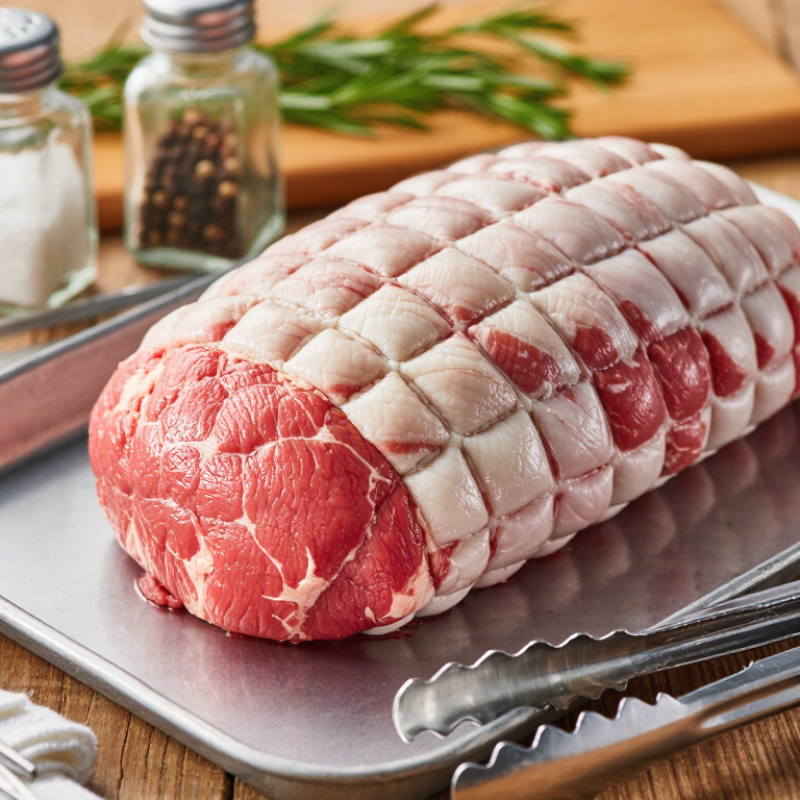
Choosing the right net for cooking meat is a small decision with major effects on safety, shape, texture, and presentation. A suitable net should hold the roast firmly without tearing, sticking, or leaving deep marks. It must also tolerate the cooking method, whether the meat is roasted, smoked, braised, or grilled. Not every product labeled as a net for cooking meat is designed for direct heat. Check its material, temperature rating, stretch, and food-contact certification before buying.

Food safety should guide the choice. The USDA Food Safety and Inspection Service recommends 145°F for whole cuts of beef, pork, lamb, and veal, followed by a three-minute rest. Ground meats should reach 160°F, while poultry should reach 165°F. The FDA Food Code 2022 provides additional time-and-temperature controls for commercial kitchens. These standards do not approve every net. They show why heat resistance and cleanability matter. A net that melts near a smoker can ruin dinner quickly.

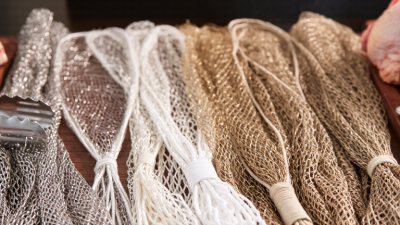
Look for food-grade cotton, polyester, or approved elastic blends. Cotton can support traditional roasting, while elastic netting fits uneven cuts more closely. Test the net on a cold roast first. It should compress the meat, not squeeze out its juices. In practice, selection is rarely perfect. Some packaging claims sound reassuring but lack clear testing details. Read the technical sheet, inspect the weave, and ask whether the product suits your exact cooking temperature. A reliable net should disappear during cooking, leaving a stable roast and clean slices behind.
How to Choose the Best Net for Cooking Meat?

Identify Meat Type and Target USDA Internal Temperature: 145°F to 165°F

How to Choose the Best Net for Cooking Meat?

Choosing a cooking net starts with the meat type, shape, and target internal temperature. Beef, pork, lamb, and veal whole cuts should reach 145°F, followed by a three-minute rest. Ground meat needs 160°F. Poultry requires 165°F for safety. A net cannot replace a thermometer. It only helps the roast keep a compact shape. Choose a food-safe, heat-resistant net that fits tightly without cutting into the surface. The net should also allow heat to circulate around the meat.

In practice, a uniform roast cooks more evenly than a loose, uneven piece. Place the thermometer in the thickest center, avoiding bones, fat pockets, and the net itself. Check the temperature in two areas when the roast has an irregular shape. I have learned that attractive browning can be misleading. A roast may look ready while its center remains undercooked. That mistake is easy to make. Remove the meat only after confirming its internal temperature with a reliable thermometer.

Tips: Match the net size to the roast, not the other way around. Leave enough space for the meat to expand slightly. Do not use damaged or melting material. If the net leaves deep marks, it may be too tight. Let the cooked meat rest before cutting, especially when targeting 145°F. Temperature readings can vary, so verify them carefully. A small error matters.
Compare Cotton, Stainless-Steel, and Silicone Cooking Nets for Food Safety

How to Choose the Best Net for Cooking Meat?

Cotton, stainless steel, and silicone nets behave differently around meat juices and heat. The FDA Food Code recommends food-contact equipment that is smooth, durable, nonabsorbent, and easy to clean. Cotton is soft and inexpensive, but it absorbs fat and raw-meat liquid. It can also trap residue between fibers. Use only clean, food-grade cotton, and avoid reusing it after difficult washing. Cotton may scorch near direct flames. That detail is easy to overlook.

Stainless-steel nets offer strong heat resistance and do not absorb juices. They are suitable for roasts, roulades, and meat exposed to high oven temperatures. Inspect every loop for rust, sharp edges, or broken wires. Silicone nets are flexible and simple to wash. However, their temperature limit varies widely. Follow the manufacturer’s stated range, especially under a broiler. The Centers for Disease Control and Prevention estimates that foodborne illnesses cause about 48 million illnesses annually in the United States. A net cannot replace safe handling. USDA guidance recommends 145°F for whole cuts, 160°F for ground meat, and 165°F for poultry.

Tips: Match the net to the cooking method. Choose stainless steel for high heat, silicone for controlled oven cooking, and cotton for short, carefully monitored use. Wash reusable nets immediately. Check seams, odors, staining, and surface damage before cooking again. I would not rely on appearance alone. Clean-looking fibers may still hold grease. A thermometer remains more dependable than color, texture, or cooking time.

Match Net Mesh Size and Strength to Meat Weight, Shape, and Filling

How to Choose the Best Net for Cooking Meat?

Choosing the best net for cooking meat starts with the cut, not the package. Mesh size controls support, airflow, and the final pattern on the roast. For a compact beef roulade, medium mesh usually holds the surface without digging deeply into it. Smaller openings suit loose mixtures, such as minced meat, herbs, and soft cheese. They reduce gaps during handling. Large mesh works better for thick, firm cuts with a smooth shape. It leaves more visible browning between the strands.

Strength must match weight. A light net can manage a small stuffed chicken breast, but it may stretch around a heavy pork shoulder. I test this by lifting the tied roast briefly before cooking. If the net sags sharply, it is too weak. That small test has prevented uneven rolls in my kitchen. Still, strength alone is not enough. A very rigid net can compress the filling and squeeze out juices. Choose steady tension, not maximum tension.

Shape changes the choice again. Long, narrow cuts need consistent mesh along their length, while irregular pieces need flexible openings. Wet fillings also require closer support because they shift as heat loosens fat and connective tissue. Check the net’s heat rating and cooking instructions before use. I once chose a close mesh for a soft, overfilled roast; it held firmly, but the center cooked slowly. My judgment was too focused on containment. Leave room for expansion, especially when the filling contains grains or vegetables. Secure the ends without crushing them, and inspect the roast midway if the recipe allows it.

How to Choose the Best Net for Cooking Meat? — Match Net Mesh Size and Strength to Meat Weight, Shape, and Filling
Meat or Product Typical Finished Weight Shape and Filling Recommended Mesh Opening Suggested Twine Diameter Recommended Minimum Breaking Strength Why This Combination Works Handling Notes
Small pork loin 0.5–1.5 kg Compact, cylindrical; lightly seasoned or unfilled 2.0–2.5 mm At least 40 N The smaller opening supports the narrow loin and helps maintain an even cylinder during roasting. Use moderate tension so the net does not mark the surface or squeeze out juices.
Large pork loin or rolled roast 1.5–3.5 kg Long, cylindrical; may contain herbs, vegetables, or a thin stuffing layer 2.5–3.0 mm At least 60 N A medium mesh accommodates expansion while providing enough support for a heavier roast. Tie or close the ends securely, leaving room for the meat to swell during cooking.
Pork shoulder roulade 2–5 kg Irregular or layered; substantial stuffing and folded muscle structure 3.0–3.5 mm At least 80 N The larger mesh fits a bulky, uneven shape without excessive compression, while stronger twine controls the roll. Secure several points along the length before placing the roast in the net.
Beef roast 1–4 kg Firm, compact muscle; usually unfilled or lightly seasoned 2.5–3.5 mm At least 70 N Beef is dense and heavy, so the net needs dependable longitudinal support without overly tight mesh. Choose a tighter opening for a regular shape and a wider opening for a broad or uneven cut.
Stuffed beef roll 1.5–4 kg Rolled and filled with vegetables, cheese, herbs, or other moist ingredients 3.0–4.0 mm At least 90 N The wider mesh reduces pressure on the filling and allows the roll to expand without splitting. Avoid overfilling; leave enough space for ingredients to expand and release moisture.
Whole chicken 1–2.5 kg Rounded, hollow carcass; may contain aromatics or stuffing 2.5–3.5 mm At least 60 N The open mesh fits the rounded body and helps keep the legs and breast close to the carcass. Do not pack the cavity tightly; stuffing must reach a safe internal temperature before serving.
Turkey breast roll 1–3 kg Long and lean; commonly rolled around a thin filling 2.5–3.5 mm At least 70 N A medium opening provides shape retention while allowing the lean meat to expand slightly during heating. Use even tension along the full length to prevent a tapered or loose center.
Duck or goose 1.5–4 kg Rounded and fatty; may include aromatics or a loose filling 3.0–4.0 mm At least 80 N The larger opening accommodates the broad body and fat layer without cutting into the skin. Leave clearance for fat rendering and avoid excessive compression around the breast.
Lamb leg or rolled lamb 1–3.5 kg Compact or rolled; may contain garlic, herbs, or vegetables 2.5–3.5 mm At least 70 N The mesh supports the leg or roll while preserving a compact shape for even cooking and slicing. For a heavily stuffed roll, move up one mesh size and use stronger twine.
Sausage or stuffed meat log 0.5–2 kg Uniform cylindrical log; fine or coarse filling 1.5–2.5 mm At least 35 N The close mesh gives a smooth, uniform diameter and helps prevent the filling from spreading. Select a food-grade net designed for the intended cooking temperature and processing method.
Large cured or cooked ham 3–8 kg Large, dense, rounded or oblong; usually unfilled 3.5–4.5 mm At least 110 N The large opening reduces surface pressure, while the high-strength twine supports the substantial weight during handling. Inspect the net after loading and use additional end closures for long cooking or lifting.

Check Heat Resistance, Food-Contact Compliance, and Roasting Compatibility

How to Choose the Best Net for Cooking Meat?

A reliable cooking net must handle heat without melting, warping, or releasing unwanted substances. Check its rated temperature before placing it near an oven grill or open flame. The rating should exceed your actual cooking temperature, not merely match it. I once used a net with a suitable-looking surface, but its edges softened during roasting. That mistake taught me to inspect both the material and the frame.

Food-contact compliance matters just as much. Look for clear documentation showing that the net is intended for direct contact with meat. Requirements vary by market, so verify the applicable food-contact standards before purchasing. Avoid products with strong chemical odors, peeling coatings, or unclear material descriptions. Stainless steel, heat-resistant silicone, and certified cooking fibers can perform well, but each needs proper temperature guidance.

Tips

Test the net with a small roast first. Check its shape after heating. Choose openings that support the meat while allowing hot air to circulate. A tight mesh can hold delicate edges, while larger openings may improve browning. Confirm that the net fits your roasting pan without touching heating elements. I also prefer secure handles, although they can become hot surprisingly fast. Never assume a product is oven-safe because it looks sturdy. Read the care instructions, and replace it when cracks, rust, or fraying appear.

How to Choose the Best Net for Cooking Meat?

Representative upper-use temperatures for common food-contact net materials

Net Material Food-Contact Requirement Roasting Compatibility
Cotton Must have a food-contact declaration and be free from dyes or finishing chemicals unsuitable for cooking. Generally suitable for conventional roasting within its stated temperature limit.
Nylon Use only when the supplier confirms food-contact compliance. Suitable for moderate-temperature roasting; avoid exceeding the declared rating.
Polyester Food-contact approval is product-specific and must be documented. Suitable only when the oven temperature is within the certified use range.
Silicone Look for food-grade silicone documentation and temperature certification. Typically well suited to roasting when correctly rated.
PTFE-Coated Fiberglass The coating must be certified for food contact and remain intact. Suitable for high-temperature roasting when the coating rating is respected.

The chart shows representative upper-use temperatures commonly associated with these material types: Cotton 230°C, Nylon 180°C, Polyester 200°C, Silicone 230°C, and PTFE-coated fiberglass 260°C. Actual performance depends on the weave, coating, additives, and manufacturing process. Food-contact compliance is not automatic for an entire material category, so always verify the supplier’s declaration and the net’s oven-use instructions.

Evaluate Cleaning, Reusability, and Secure Tie Design Before Purchase

How to Choose the Best Net for Cooking Meat?

A cooking net should hold meat firmly without cutting into its surface. I once used a loose net on a rolled roast, and the filling shifted during cooking. That mistake taught me to inspect the tie design before trusting the product. Look for evenly spaced ties that remain tight after heat exposure. Each knot or closure should feel secure, not decorative. Adjustable ties are useful for uneven cuts, but they should not slide easily.

Cleaning affects both safety and value. Choose a net with smooth fibers and few trapped seams. Grease can hide inside rough areas, even after washing. Check whether the material is reusable and suitable for your cooking temperature. Follow the care instructions carefully. A dishwasher-safe design saves time, but hand washing may reveal leftover residue better. Let the net dry completely before storage. Damp storage encourages unpleasant odors.

Tips: Stretch the net gently before cooking. Check for broken fibers, loose loops, or discoloration. Replace it when cleaning no longer removes grease. Do not assume “reusable” means endless use. I still prefer replacing a questionable net rather than risking loose material around food. Measure the roast before buying, because an undersized net can split under pressure. A practical choice is one that cleans easily, ties securely, and survives repeated handling without losing shape.

We are using cookies on our website

Please confirm, if you accept our tracking cookies. You can also decline the tracking, so you can continue to visit our website without any data sent to third party services.