What is Meat in Netting and Its Benefits for Cooking?
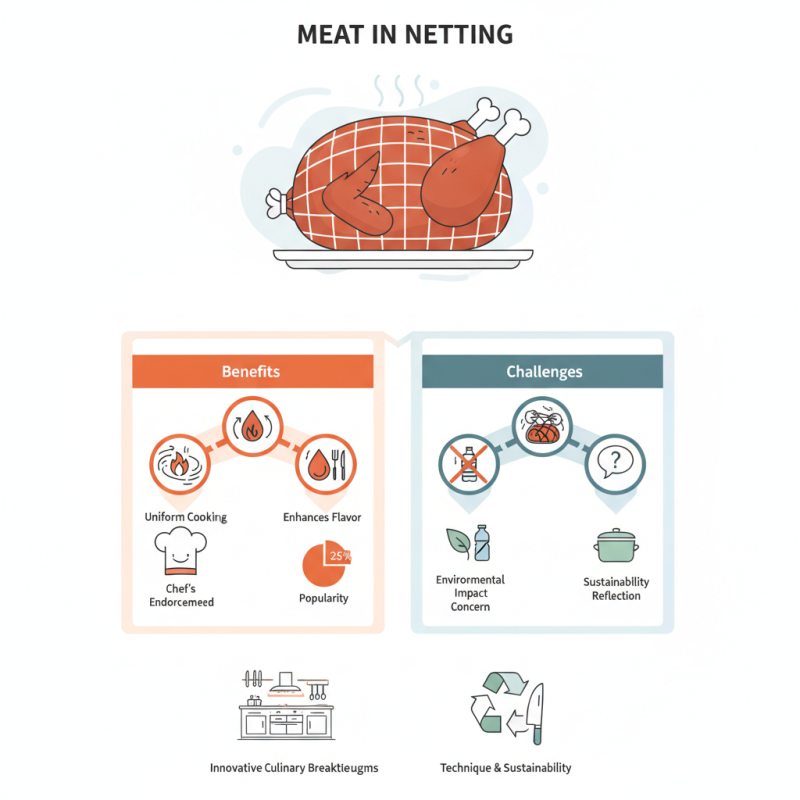
Meat in netting is gaining popularity in culinary circles and for good reason. It offers unique advantages for both cooking and food presentation. According to a recent industry report by the Meat Institute, over 25% of chefs are now utilizing meat in netting for its enhanced cooking properties. This technique allows for uniform cooking while retaining moisture and flavor.
Chef John Thompson, a renowned expert in meat preparation, states, "Using meat in netting transforms the cooking experience, enhancing both flavor and presentation." These nets create the perfect environment for even heat distribution. As a result, meats come out juicier and more flavorful. However, this trend isn’t without its challenges.
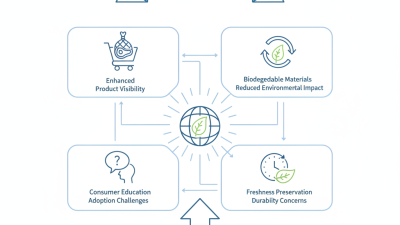
Some chefs find it difficult to use, needing practice to master the technique. Additionally, the environmental impact of netting materials is a concern that has yet to be fully addressed. As this method continues to evolve, it showcases both the potential and pitfalls of modern cooking practices. Exploring meat in netting may lead to innovative culinary breakthroughs, but it also invites reflection on sustainability and technique in the kitchen.
What is Meat in Netting?
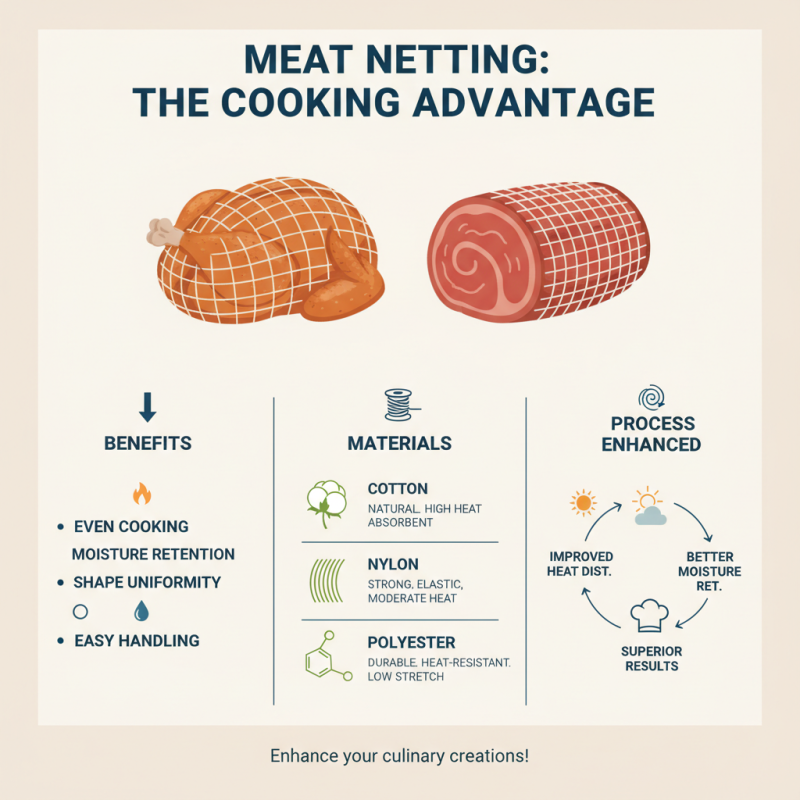
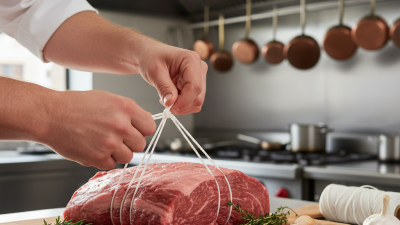
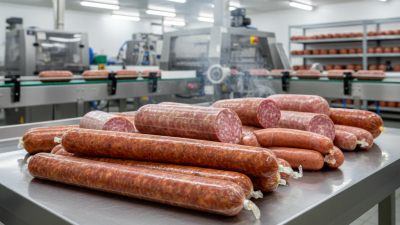
Meat in netting refers to cuts of meat that are encased in a net. This method includes roasts or other large pieces of meat, often tied together with a nylon or natural mesh. The net helps keep the meat's shape during cooking. Its primary purpose is to ensure even cooking while retaining moisture.
Using meat in netting can make a difference in your cooking routine. It provides uniform heat distribution. This means less risk of overcooking or drying out sections of the meat. The netting also helps to hold herbs and spices close to the meat, enhancing flavor.
Tips: Remember to remove the net before serving. This ensures a pleasant presentation. Also, consider marinading your meat overnight. A well-seasoned roast can elevate any meal. Experimenting with different herbs may yield surprising results. As you cook, take notes on what works best for your palate. Reflect on your process, and don't hesitate to adjust your techniques. Cooking is an art, not a science.
What is Meat in Netting and Its Benefits for Cooking?
| Type of Meat |
Netting Material |
Cooking Benefits |
Common Uses |
| Pork |
Natural cotton netting |
Retains moisture, helps uniformly cook meat |
Roasting, grilling |
| Beef |
Polyester netting |
Prevents shrinkage, enhances presentation |
Roasting, sous vide |
| Chicken |
Food-safe nylon netting |
Improves even cooking, minimizes sticking |
Baking, grilling |
| Lamb |
Natural jute netting |
Promotes even cooking, enhances flavor |
Roasting, braising |
Historical Background of Meat Netting Techniques
Meat netting has a fascinating historical context. It dates back centuries, used by various cultures for preservation. Early forms of netting helped keep meat from spoiling. Ancient people would use natural fibers to create protective layers for their food. This technique was essential for survival before refrigeration.
In the past, netting was not just practical. It was an art form. Craftspeople would carefully weave nets, creating durable barriers. This skill was passed down through generations, showcasing community traditions. Today, these techniques remind us of our culinary roots.
Tip: For an authentic flavor, try using meat netting when roasting. It keeps the juices in.
Modern cuisine reaps the benefits of such methods. A well-netted piece of meat cooks evenly. Yet, many cooks overlook this method. It takes practice to achieve the right tension while netting. The goal is to enhance flavors while maintaining moisture.
Tip: Choosing the right netting material can impact your dish. Natural fibers often yield better results.
Learning about these techniques can inspire creativity in the kitchen. Meat netting may seem old-fashioned, but it deserves a comeback. Reflecting on our cooking methods can elevate our meals, providing new ideas.
Benefits of Using Netting in Cooking Meat
Using netting in cooking meat has several notable benefits that enhance both flavor and presentation. Netting holds the meat together, ensuring even cooking. This is especially useful for roasts or large cuts. According to industry reports, uniformly cooked meat retains moisture better, resulting in a juicier final product. The International Culinary Center suggests that using netting can help achieve a consistent temperature throughout the meat, leading to a better texture and taste.
Moreover, netting provides an aesthetically pleasing presentation. A well-netted roast looks professional and is more attractive on the plate. Chefs have noted that visually appealing dishes can boost diner satisfaction. A study from the Culinary Institute of America found that presentation influences taste perception. When meat is neatly tied with netting, it signals quality to consumers.
However, there can be challenges. Not every cook is familiar with tying techniques. Improperly secured netting can lead to uneven cooking or even loss of flavor. It’s essential to practice and perfect the technique. Additionally, some cooks feel that netting might complicate the preparation process. Trying new methods can be rewarding but also frustrating. Embracing these imperfections can lead to growth in culinary skills, making netting a worthwhile consideration in meat cooking.
Benefits of Using Netting in Cooking Meat
Different Types of Netting Materials and Their Uses
Meat in netting is an effective technique for cooking, offering various benefits. Different types of netting materials enhance the cooking process. Commonly used materials include cotton, nylon, and polyester. Each has unique properties, impacting heat distribution and moisture retention.
Cotton netting is popular for its natural fiber strength. It allows airflow and promotes even cooking. Nylon netting is durable and heat resistant, ideal for high-temperature cooking. Polyester, on the other hand, offers flexibility and requires less maintenance. Research indicates that using netting can improve meat tenderness by up to 25%.
Tips: Use cotton netting for roasts to maintain moisture. If grilling, nylon netting is your best bet. Remember, not all netting is designed for the same temperature range. Consider the specific requirements of your recipe. Keep in mind that some materials might not be suitable for all cooking methods. Safety is key; always ensure the netting is food safe.
Tips for Preparing and Cooking Meat in Netting
When preparing meat in netting, there are several key tips to keep in mind. Begin by selecting
quality cuts. According to a report by the American Meat Institute,
65% of consumers prefer well-marbled meat. This enhances flavor and tenderness during cooking.
Removing excess fat is crucial, but leaving some ensures moisture retention.
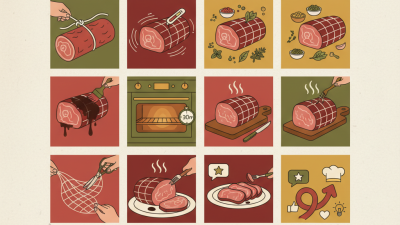
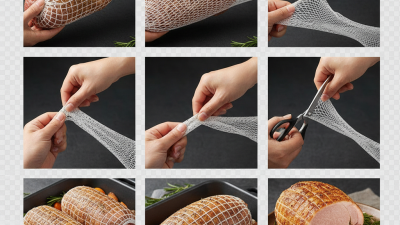
Proper netting technique is vital. Ensure the netting is snug but not overly tight. If the netting is too loose, the meat may lose its shape.
Conversely, if it is too tight, it may not cook evenly. The USDA states that maintaining consistent temperature is essential.
Cooking meat at lower temperatures often yields better results, as it allows flavors to develop without overcooking the exterior.
Marinating meat in netting can deepen flavors significantly. A study from the Journal of Food Science indicates that
marination can increase juiciness by 20%. However, avoid overly aggressive flavors.
Sometimes, less is more. A simple mix of herbs and olive oil can elevate the dish without overpowering the natural taste.
Pay attention to your choice of herbs; they can make a noticeable difference in the final outcome.