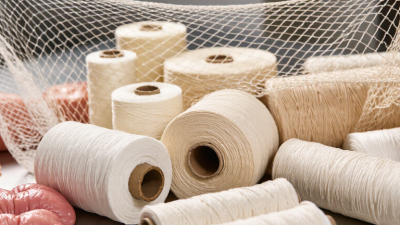
What Are the Top China Meat Net Suppliers?

China’s meat-processing sector is large, diverse, and increasingly quality-driven. The National Bureau of Statistics of China reported meat production above 90 million tonnes in recent years. That scale creates steady demand for reliable elastic netting, cooking netting, and protective packaging materials.

The OECD-FAO Agricultural Outlook 2024–2033 expects global meat consumption to keep expanding, with poultry maintaining strong growth. This trend raises practical questions about suppliers. Can a factory provide consistent mesh tension? Can it maintain food-contact documentation? Can it deliver uniform rolls during seasonal demand?

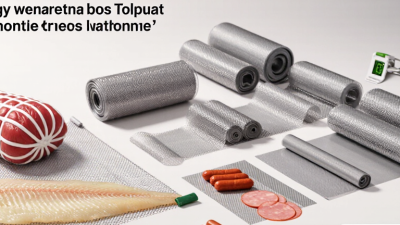
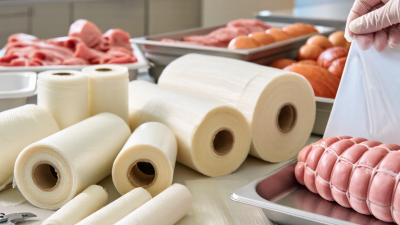
This guide examines leading China meat net suppliers through those operational details. The term “net for meat” covers several products, including elastic ham netting, roast netting, collagen-compatible systems, and netting for shaped or smoked meats. Each option serves a different production need.

Supplier selection should include material safety, tensile performance, temperature resistance, production capacity, and export experience. China’s GB 4806 series provides important food-contact safety requirements for applicable materials. International buyers may also request EU or United States compliance documents, depending on the destination market.

Factory audits matter. A clean workshop, traceable batch records, and realistic test reports reveal more than attractive product photos. Certifications help, but they do not replace verification. No ranking is perfect. Supplier performance can change with equipment, management, and raw-material availability.

The following overview highlights China-based manufacturers that appear competitive in product range, customization, quality control, and international service. Buyers should still test samples under actual cooking, chilling, stretching, and packaging conditions before placing large orders.
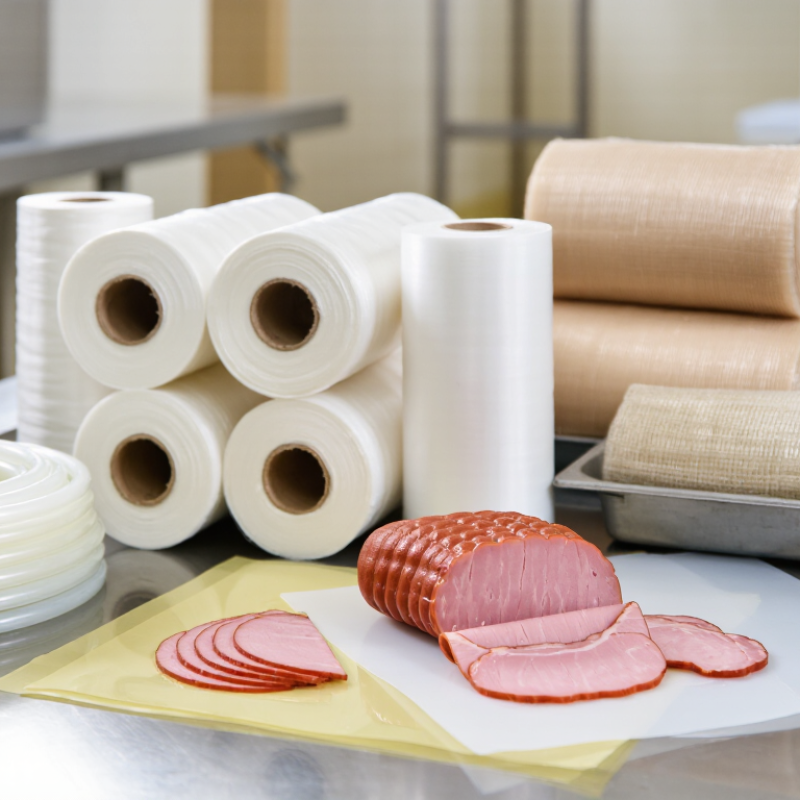
What Are the Top China Meat Net Suppliers?

What Is a China Meat Net Supplier?

A China meat net supplier is a manufacturer or trading partner that provides elastic netting for processed meat products.

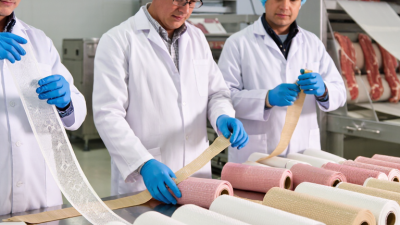
The net helps shape ham, rolled pork, poultry, and other boneless cuts during cooking, smoking, curing, or cooling. It can also support even pressure and create a clean, traditional surface pattern.

Experienced suppliers usually offer different mesh sizes, elastic strengths, diameters, and temperature ranges.

Food-contact safety matters greatly. Buyers should request material details, production records, test reports, and traceability information.

A reliable supplier should explain whether the net suits steam cooking, oven roasting, or smokehouse use. Small sample trials are valuable.

Specifications can look correct on paper, yet performance may change on a production line. That gap deserves attention.

Tips:

Ask for samples before placing a large order.
Check stretch recovery after cooking.
Confirm packaging cleanliness and batch labeling.
Discuss lead times in writing.
Compare technical support, not only price.

A very cheap option may create uneven shapes or difficult removal. No supplier is perfect.

Even careful buyers can miss details when testing only one product size. A practical evaluation should include several meat diameters and actual processing temperatures.

Regular communication also helps identify changes in raw materials, mesh tension, or delivery consistency.

Which Meat Products Do Chinese Suppliers Offer?

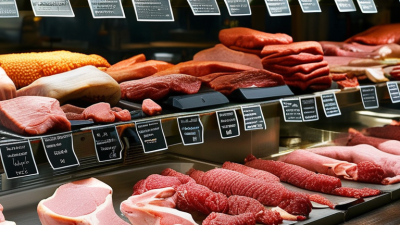
Chinese meat suppliers offer a broad product mix for importers, food manufacturers, restaurants, and retailers. Fresh and frozen pork remains central, including loin, belly, shoulder, ribs, feet, ears, and offal. Beef selections commonly include brisket, chuck, topside, shank, and trimmings. Poultry suppliers provide whole chickens, wings, drumsticks, breast meat, and mechanically separated meat for processed foods.

Processed options are also extensive. Suppliers produce sausages, ham, bacon, meatballs, marinated cuts, cooked slices, and ready-to-heat meals. Seafood processors add frozen fish fillets, shrimp, squid, and mixed seafood packs. According to the OECD-FAO Agricultural Outlook 2024–2033, global meat production is projected to grow by about 12% by 2033. This supports continued demand for standardized portions and convenient products. Buyers should check species, cut specifications, glazing levels, additives, and cold-chain requirements.

Food safety deserves close attention. The FAO and WHO emphasize traceability, hygienic processing, and temperature control across the meat supply chain. Experienced buyers usually request veterinary certificates, laboratory results, HACCP records, and batch-level documentation before ordering. Small details matter, such as carton strength and internal product temperature. Sometimes, catalog photos look better than the actual cut. That risk is real. A third-party inspection and pre-shipment sample can reduce misunderstandings, although neither guarantees perfect consistency. Supplier capability should be judged through audits, trial orders, and documented performance, not product variety alone.

How Are China Meat Net Suppliers Categorized?

China meat net suppliers are best categorized by material, construction, application, and quality control. Material groups include cotton, polyester, polyamide, and blended elastic nets. Cotton offers a traditional appearance, while synthetic fibers usually provide stronger tension and more consistent sizing. Knitted nets suit cooked hams and formed products. Braided designs may handle heavier cuts, but they can require tighter machine control.

Application creates another useful category. Processing plants often seek heat-resistant nets for cooking, smoking, or chilling lines. Retail suppliers may prioritize uniform mesh, clean presentation, and easy removal. Foodservice buyers usually need practical pack sizes and repeat availability. China’s National Bureau of Statistics recorded 57.06 million tonnes of pork output in 2023. That scale supports many specialized supply chains, not one single supplier type.

A third category concerns compliance and supply capability. Domestic suppliers may focus on standard sizes and short lead times. Export-oriented factories often provide food-contact declarations, batch traceability, and testing for tensile strength and heat performance. ISO 22000 or HACCP-based systems can strengthen process control, but certificates alone do not prove consistent net quality. OECD-FAO’s Agricultural Outlook 2024–2033 expects Asia to remain a major source of meat-demand growth. Buyers should therefore compare samples, mesh recovery, odor, and breakage after cooking. Supplier categories overlap. That is the difficult part. Some factories publish impressive specifications, yet practical performance can still vary between batches.

What Are the Top China Meat Net Suppliers?

China meat net suppliers are commonly categorized by material, food-contact status, processing function, and product format rather than by company name.

The chart presents a practical supplier-classification framework. The values represent the number of commonly used category groups in each classification dimension, not company rankings or market share.

What Standards Should Buyers Use to Evaluate Suppliers?

When evaluating China meat net suppliers, buyers should test compliance before comparing prices. The WHO and FAO estimated that contaminated food causes about 600 million illnesses and 420,000 deaths annually worldwide. Food-contact safety is therefore a purchasing requirement, not a marketing detail. Ask for material declarations, migration-test results, and batch-specific certificates. Check whether the net complies with applicable food-contact rules, such as EU Regulation 1935/2004, EU Regulation 2023/2006, or relevant FDA requirements. A certificate without traceable laboratory details is weak evidence.

Performance must be measured on the actual production line. Request samples in the required diameter, mesh structure, color, and elastic range. Test tensile strength, shrinkage, heat resistance, odor, and residue after cooking. For cured or roasted meat, the net should hold its shape without cutting deeply into the product. Review the supplier’s ISO 9001 procedures, inspection records, complaint history, and lot-traceability system. The China Meat Processing Industry Association has repeatedly emphasized standardized processing and quality control in industry guidance. Factory audits should examine clean areas, storage conditions, calibration records, and worker hygiene. I would not rely on photos alone. They can look convincing. A low price may still conceal inconsistent elasticity or delayed corrective action. My checklist is useful, but not perfect; independent testing remains necessary before approval.

How Can Importers Choose the Right Supplier?

Choosing the right China meat net supplier requires more than comparing prices. Importers should examine material quality, mesh strength, heat resistance, and performance during cooking. A reliable supplier can provide clear specifications, production samples, and consistent batch records.

Request food-contact material certificates and recent quality inspection reports. Confirm that documents meet your destination country’s import and food-safety requirements. Ask how the supplier traces raw materials, controls production, and handles complaints. Factory photos help, but an independent audit offers stronger evidence. Video calls are useful, though they cannot replace physical verification.

Small details matter.

Tips: Compare at least three suppliers. Test samples under real processing conditions, including boiling, smoking, stretching, and refrigeration. Check whether labels, packaging, and carton markings match your logistics plan. Discuss minimum order quantities, lead times, replacement policies, and payment terms in writing. A capable supplier should answer technical questions directly, not only promise low prices.

Do not rely on polished quotations alone. I have found that a slightly higher unit price can reduce waste and shipment delays. Still, supplier claims are not always complete. Recheck certificates, measure sample dimensions yourself, and keep written records of every agreed specification. Clear communication is often the strongest sign of long-term reliability.

What Are the Top China Meat Net Suppliers? - How Can Importers Choose the Right Supplier?

Supplier Category Typical Product Scope Temperature Requirement Key Compliance Evidence Export Documents to Request Main Importer Checks Recommended Weight
Frozen pork supplier Cuts, offal, primal portions and bulk cartons for foodservice or further processing Frozen products are commonly maintained at or below -18°C throughout storage and transport Overseas establishment registration where required by China Customs; HACCP-based controls; traceability by lot Commercial invoice, packing list, bill of lading, certificate of origin, official veterinary or health certificate, and customs-required registration information Cut specification, bone-in or boneless format, carton weight, shelf life, production date, container loading plan and destination-market eligibility 20%
Frozen poultry supplier Whole birds, legs, wings, breast meat, mechanically separated meat and processed poultry ingredients Frozen products are commonly maintained at or below -18°C; temperature records should cover loading, transit and delivery Approved processing facility, documented food-safety system, pathogen-control plan and batch traceability Invoice, packing list, transport document, certificate of origin, official health certificate and product specification sheet Size grading, glaze percentage, water-injected products, microbiological limits, packaging language and market-specific restrictions 18%
Frozen beef supplier Primal cuts, steaks, manufacturing beef, trimmings and offal Frozen products are commonly maintained at or below -18°C; chilled beef requires a controlled chilled chain, usually close to 0–4°C Facility eligibility for the destination market, animal-health controls, aging records where applicable and lot-level traceability Official veterinary certificate, invoice, packing list, bill of lading, certificate of origin and product or residue-test documentation when required Breed or grade claims, cut name, fat coverage, aging method, net weight, carton labeling, shelf life and approved-country status 20%
Lamb and mutton supplier Carcases, legs, shoulders, racks, boneless cuts and foodservice portions Frozen products are commonly maintained at or below -18°C; chilled products require continuous refrigerated handling Animal-health certification, registered establishment details, halal documentation when required by the destination and traceability records Health certificate, certificate of origin, invoice, packing list, bill of lading and halal certificate where legally or commercially required Species declaration, cut consistency, fat content, slaughter and production dates, religious certification scope and label compliance 12%
Processed meat supplier Cooked meat, sausages, canned products, marinated items and ready-to-use ingredients Storage temperature depends on the validated product specification; chilled and ambient products must follow the approved process and label instructions HACCP plan, validated thermal process where applicable, allergen controls, additive compliance and finished-product testing Ingredient list, nutrition and specification sheet, certificate of analysis when requested, health certificate, invoice and packing list Recipe approval, allergen declaration, preservative limits, packaging format, shelf-life evidence, private-label capability and recall procedure 15%
Cold-chain trading and distribution supplier Multi-category sourcing, consolidation, container booking and destination-market distribution support Must match the temperature specified for each product and preserve records during consolidation and transshipment Supplier approval system, warehouse temperature monitoring, documented subcontractors and product traceability Complete shipment document set from the actual producer, container temperature records, lot list and customs data Confirm whether the intermediary is the producer or exporter, verify authorization, inspect warehouse records and define responsibility for claims 15%
Selection rule: Before comparing price, confirm destination-market eligibility, establishment registration, product specifications, official health documentation, cold-chain records, traceability and a written claims procedure. Supplier scores should be based on verified documents and samples rather than online listings alone.

We are using cookies on our website

Please confirm, if you accept our tracking cookies. You can also decline the tracking, so you can continue to visit our website without any data sent to third party services.