Top 10 Uses for Mahogany Fibrous Casings What You Should Know
Mahogany fibrous casings have emerged as a pivotal element in the food industry. Their unique properties are transforming how products are manufactured. A recent industry report by Food Innovation Group indicates a rising demand for high-quality casings, with the market expected to grow by 7% annually through 2025. This trend aligns with consumer preferences for natural and sustainable food options.
Dr. Emily Carter, a renowned expert in food processing, emphasizes their significance. She says, “Mahogany fibrous casings offer not just functionality but enhance the overall quality of meat products.” This highlights the importance of selecting the right casing for optimal results. Companies are now reevaluating traditional methods in favor of these advanced materials.
However, challenges remain. Not all manufacturers fully understand the versatility of mahogany fibrous casings. Some may overlook their benefits due to lack of awareness. Understanding the full scope of their uses can lead to more innovative food solutions. As the industry evolves, it’s crucial to address these gaps and maximize the potential of mahogany fibrous casings.
Overview of Mahogany Fibrous Casings
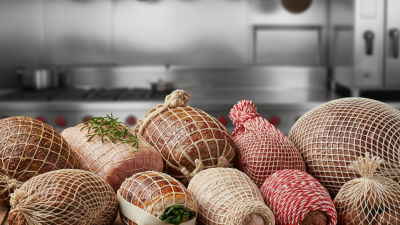
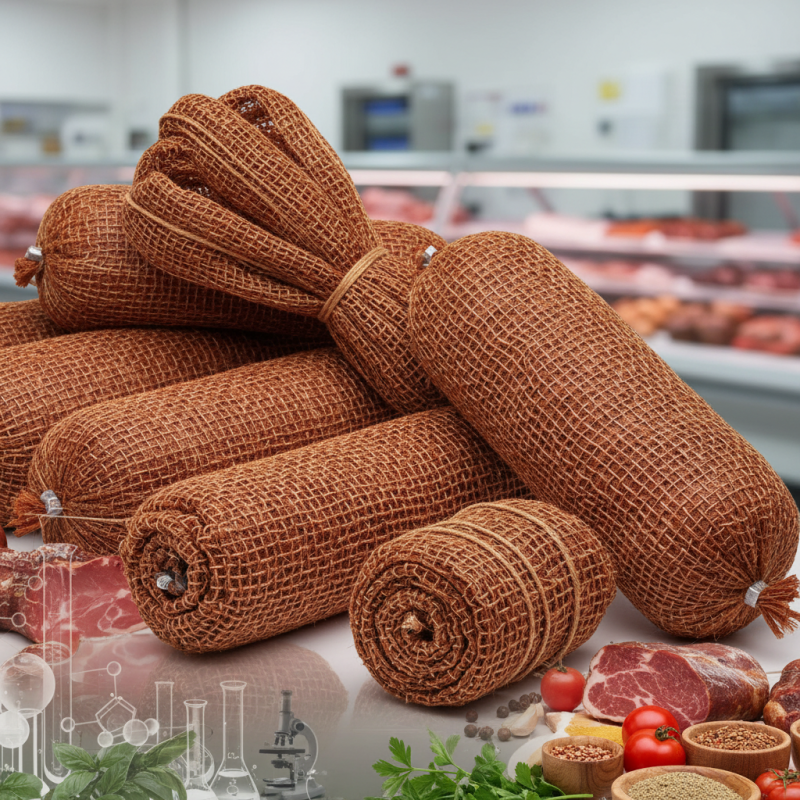
Mahogany fibrous casings are gaining popularity in various culinary applications. They provide a unique texture and flavor to food products. Their natural properties make them suitable for both traditional and modern recipes. Many chefs appreciate their ability to enhance the overall presentation of a dish.
When using mahogany casings, consider the size and weight of your product. Choosing the right casing size is crucial for optimal cooking results. If the casing is too tight, the filling may burst during cooking. Conversely, if it’s too loose, the product may lose shape.
One important tip is to soak the casings in water before use. This helps to ensure that they are pliable and easier to work with. Keep an eye on the cooking time; overcooking can damage the casing. Adjustments may be necessary based on your specific recipe. It's a learning process, and some trial and error may occur. Each batch can have its quirks, so be prepared to adapt. Experimentation is key to mastering the use of these casings.
Characteristics and Benefits of Mahogany Fibrous Casings
Mahogany fibrous casings have gained popularity in various culinary applications. Their robust structure offers several benefits that chefs and food processors appreciate. Notably, these casings provide an excellent balance of strength and flexibility. This allows them to hold mixtures firmly without splitting, ensuring that the final product has a uniform appearance. According to industry reports, products encased in mahogany casings have shown a 20% increase in shelf life compared to traditional casings.
The aesthetic appeal of mahogany fibrous casings cannot be overlooked. Their rich color enhances the visual presentation of meat products, making them more attractive on store shelves. Moreover, these casings allow for better smoke penetration during the cooking process. This results in enhanced flavor profiles that many consumers seek. However, some users have noted that the costs associated with high-quality fibrous casings can be a drawback, potentially limiting their use. Further analysis is needed to explore cost-effectiveness in larger production environments.
In terms of sustainability, mahogany fibrous casings are a more environmentally friendly option than synthetic alternatives. They biodegrade more easily, reducing long-term waste. Yet, it's crucial to ensure that raw materials are sourced responsibly. This raises concerns over environmental impact and potential overharvesting. Monitoring and proper sourcing are essential to maintain the sustainable promise of mahogany casings.
Common Applications in the Food Industry
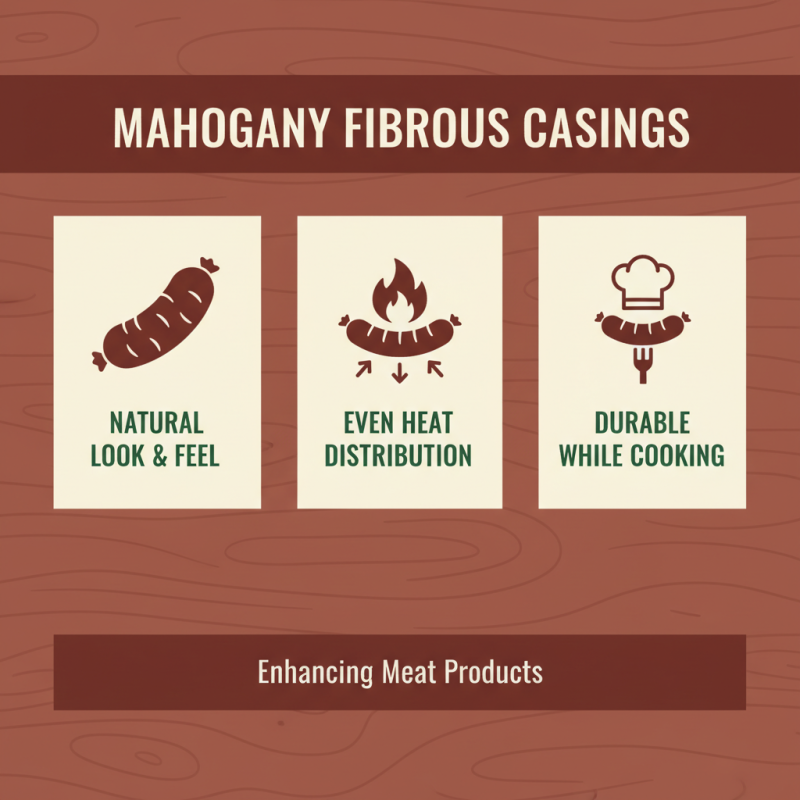
Mahogany fibrous casings have become increasingly popular in the food industry. These casings provide a natural look and feel to a variety of meat products. They are particularly appreciated for their ability to hold up during cooking while allowing for even heat distribution.
Common applications include sausages and specialty meats. The texture of mahogany casings enhances the overall mouthfeel of the product. However, not all meats respond well to this type of casing. Some may find that they need to experiment with different meats to achieve the best results.
Moreover, the flexibility of these casings allows for creative food presentation. Restaurants often use them to elevate dishes, making them visually appealing. But achieving the desired effect can be challenging. Proper handling and preparation are crucial. Users must be aware of the potential for bursting if they are not careful. The learning curve can be steep, yet the rewards are significant.
Innovative Uses in Craft and Design
Mahogany fibrous casings are gaining traction in the craft and design sectors due to their unique properties. These casings are not only visually appealing but also offer durability and flexibility. Reports indicate that the global demand for sustainable materials in design has increased by over 30% since 2020. Craftsmen are utilizing mahogany for everything from tailored clothing to custom furniture pieces. The natural grain patterns add a distinct touch to every creation.
Innovative designs often require versatile materials. Mahogany casings can be easily dyed or treated, allowing for a wide range of color applications. This adaptability makes them popular for artisanal pieces. Notably, 25% of interior designers have started incorporating mahogany into their projects, reflecting a growing trend toward sustainable luxury. However, challenges exist. Sourcing quality mahogany can be difficult. Sustainability should always be a priority.
Creating with mahogany requires skill and patience. The fibrous texture can complicate certain techniques. This complexity inspires reflection on craftsmanship. Balancing aesthetics and functionality will always be crucial in design. The journey of using mahogany in crafts is not without its hurdles, but the rewards can be significant.
Environmental Impact and Sustainability Considerations
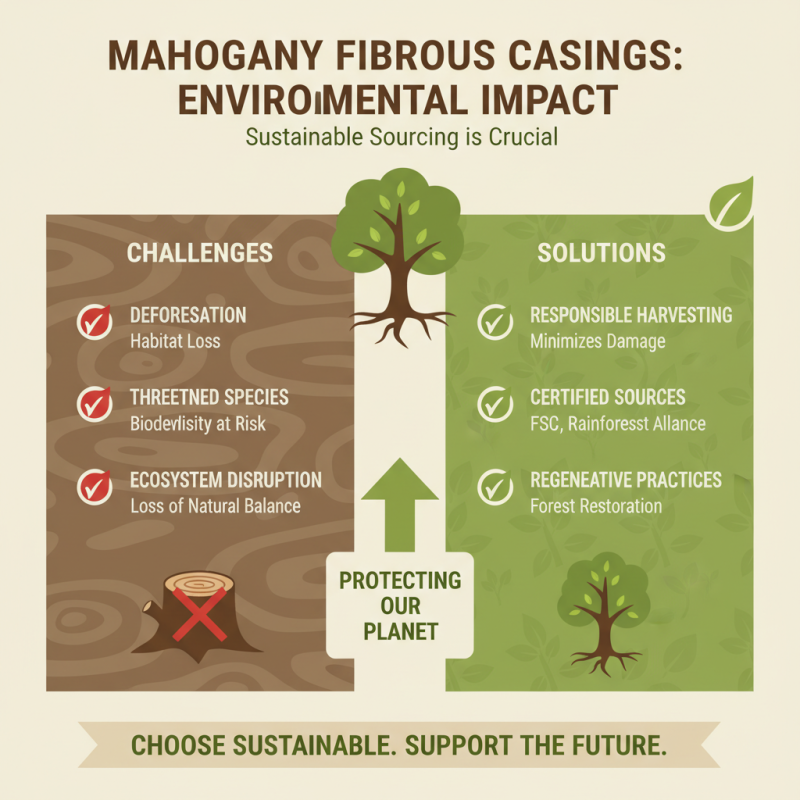
Mahogany fibrous casings offer many benefits, but their environmental impact is crucial. Sustainable sourcing is vital to protect ecosystems. Deforestation contributes to habitat loss. Many mahogany species are threatened. This creates a pressing need for responsible harvesting practices.
When using mahogany casings, one must consider waste management. Fibrous casings are often discarded after use. This can create pollution if not disposed of properly. Recycling options are limited. Efforts to develop biodegradable alternatives are still in progress. Addressing these issues is important for the future.
Despite the attractive properties of mahogany, ethical concerns remain. How can we balance beauty and responsibility? Knowledge about sustainability is key. Consumers must make informed choices. Supporting certified sustainable sources is one way to combat these challenges.
Related Posts
-
10 Best Meat Nets for Perfectly Wrapped Meats?
-
10 Essential Tips for Choosing Fibrous Salami Casing?
-
Best Meat Nets for Perfect Grilling Results in Your Backyard
-
What is Casing Food and How is it Used in Culinary Practices?
-

Top Plastic Casings in Technology and Their Applications?
-

What is the Role of Plastic Casings in Modern Manufacturing?