
How to Use Elastic Meat Netting for Perfectly Wrapped Meats?
Elastic meat netting has become a popular tool in the culinary world. As Chef Mark Thompson, an expert in meat preparation, states, "Elastic meat netting transforms how we present our meats." This netting provides both functionality and visual appeal. Perfectly wrapped meats not only cook evenly but also look enticing on the plate.
Using elastic meat netting might seem straightforward, yet many people struggle with it. It's important to select the right size of netting for your cuts. Not all meats fit snugly in the available options. It can be frustrating when the netting tears or fails to hold the shape. However, practice can lead to better results.
Incorporating this tool can elevate your dishes. Chef Thompson suggests that "the tightness of the wrap impacts the flavor." A loose wrap might lead to uneven cooking. Therefore, paying attention to detail is crucial. The beauty of elastic meat netting lies in its dual role: functionality and style. Embracing its potential may require patience and repetition to master.
Understanding Elastic Meat Netting and Its Benefits
Elastic meat netting is a versatile tool in the culinary world that enhances the presentation and cooking of various meats. By securely wrapping meat, it helps retain juices and flavors during cooking. A recent industry report notes that the use of elastic meat netting can improve meat yield by up to 15%. This is vital for both home chefs and professional establishments aiming to provide the best quality.
One key benefit of elastic meat netting is its ability to evenly cook meats. It allows for uniform heat distribution, reducing the chance of overcooked edges. However, improper usage can lead to escaping juices. To prevent this, make sure to stretch the netting snugly around the meat without tearing it.
Tip: Always practice wrapping with a trial piece of meat before moving on to more expensive cuts. This allows for adjustments and ensures a perfect fit. Properly used, elastic netting can create an aesthetically pleasing dish while enhancing flavor retention, yet some may struggle with achieving the right tension. This experimentation is part of perfecting your cooking process.
How to Use Elastic Meat Netting for Perfectly Wrapped Meats?
| Feature | Description | Benefits |
|---|---|---|
| Elasticity | Allows the netting to conform tightly to the shape of the meat. | Ensures uniform cooking and retains moisture. |
| Durability | Made from high-quality materials that resist tearing. | Reduces the risk of spoilage during storage and transport. |
| Versatility | Suitable for various meat types including pork, beef, and poultry. | Offers flexibility in meat packaging and presentation. |
| Ease of Use | Straightforward to apply with minimal tools required. | Saves time and labor during the wrapping process. |
| Food Safety | Made from food-grade materials that are safe for consumption. | Helps maintain hygiene and quality of meat products. |
Selecting the Right Size and Type of Elastic Meat Netting
Choosing the right size and type of elastic meat netting can greatly impact your cooking results. It's essential to consider the type of meat you plan to wrap. Smaller cuts benefit from finer mesh, ensuring an even cook. Larger roasts require thicker netting to hold shape during roasting. If the netting is too small, it may not fit comfortably over the meat. If it’s too large, it may not provide adequate support.
The netting’s elasticity is another critical factor. You want it to be stretchy enough to accommodate various forms but strong enough to hold everything together. A tightly wrapped piece of meat retains moisture better, leading to a juicier bite. Take note of the tensile strength; weaker netting may snap under the pressure, causing an uneven shape.
Try experimenting with different sizes. Don't hesitate to cut and adjust pieces as needed. This trial-and-error approach is key to finding what works best. Over time, as your skills improve, you’ll understand how each type of netting interacts with the cooking process. Remember, there will be some missteps along the way. Learning from these can refine your technique significantly.
Usage of Elastic Meat Netting Based on Meat Types
Step-by-Step Guide to Wrapping Meat with Elastic Netting
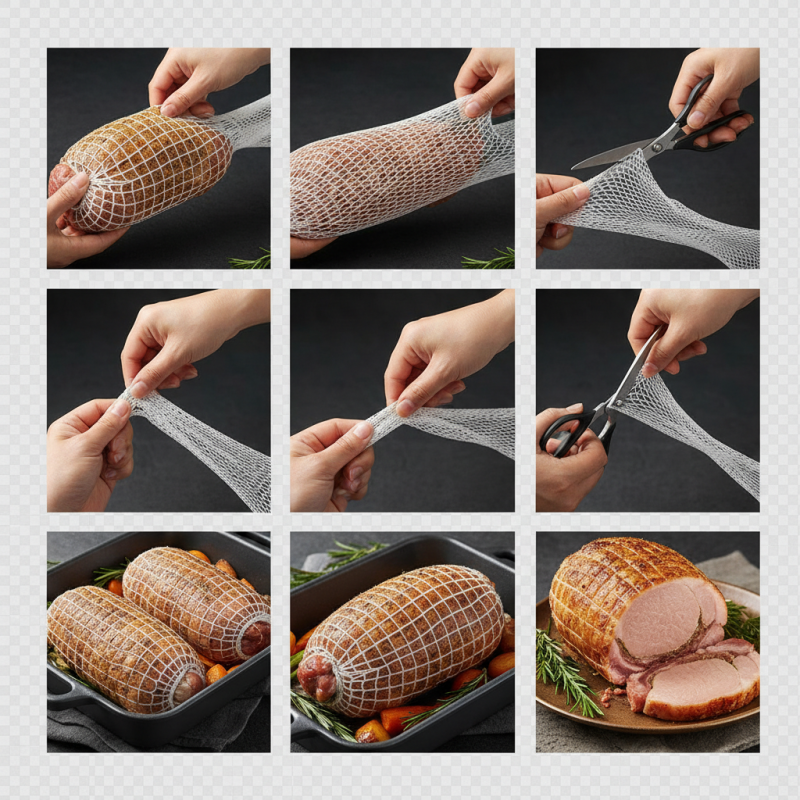
When wrapping meat with elastic netting, the process can be straightforward. Start by laying out the netting on a clean surface. Cut a piece that is several inches wider than the meat to ensure it covers completely. Position the meat in the center of the netting. Pull the edges over the meat and tuck them in securely. This helps maintain a compact shape during cooking.
Tips: Ensure your hands are clean and dry. Moisture can make the netting slip. If you're using a larger cut of meat, consider using multiple pieces of netting for better coverage. It’s vital to check that the netting is tight but not overly stressed. A too-tight wrap can lead to tearing during cooking.
Next, you can use butcher twine to tie off the ends if needed. This adds extra security. Pay attention to how tight the knots are; loose knots can unravel. It’s common for beginners to struggle with the knotting part. Practice makes perfect here. Reflect on your technique after each attempt. Each wrapping will improve your skill and technique.
Techniques for Securing and Trimming Excess Netting
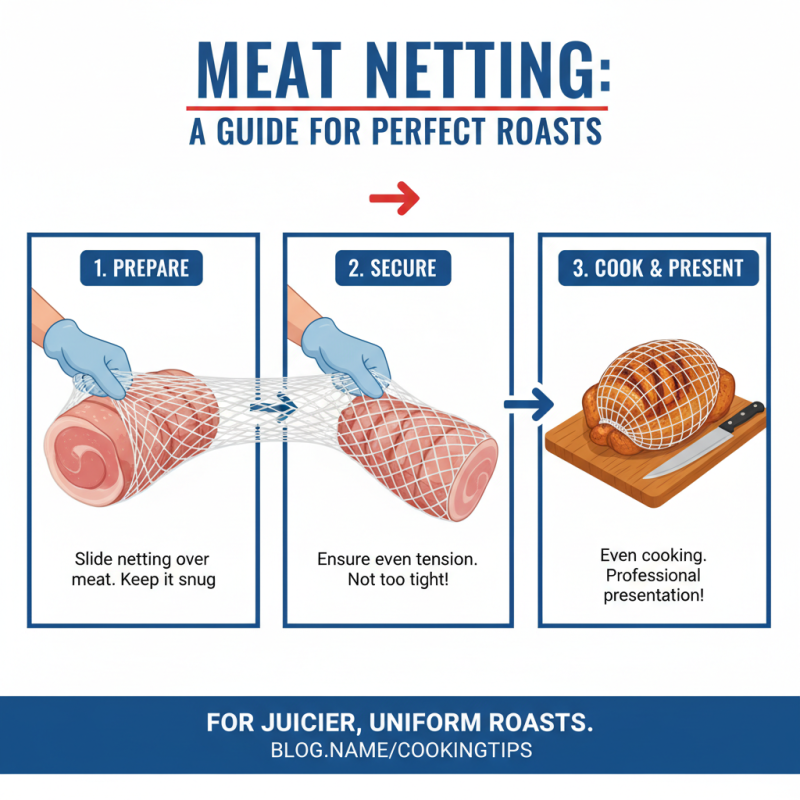
When it comes to wrapping meats, using elastic meat netting can make a significant difference. Properly securing the netting is vital for an even cook and presentation. Start by pulling the netting over your meat. Ensure that it fits snugly but not too tight. An overly tight net can restrict the meat’s expansion during cooking.
After covering the meat, focus on securing the netting. Twist the ends of the netting to create a firm hold. You might find that some parts of the meat are tougher to wrap. This can lead to uneven coverage, but don’t stress. Use kitchen scissors to cut away excess netting if it’s too long. Aim for a clean edge; this creates a nicer presentation. However, be cautious. Cutting too short can leave areas exposed.
Lastly, it's essential to trim any excess netting to avoid burning during cooking. Always check if the netting adheres well before cooking. Even small, uneven sections can impact how your meat cooks. Each wrap may not be perfect, but practice helps. Reflect on your technique each time you cook. Each effort adds to your skill.
Tips for Cooking and Serving Perfectly Wrapped Meats
Cooking with elastic meat netting can elevate your dish. This nets help keep the meat's shape during cooking. Approximately 70% of chefs believe it improves presentation. It also enhances flavor retention. A study shows that wrapped meats can retain up to 15% more juices.
When using netting, practice is key. It can be tricky to wrap the meat evenly. A messy wrap can ruin the aesthetic. Use kitchen twine for added security. The right tension is crucial; too tight can cause the meat to dry out. Remember to monitor your cooking time for best results.
Serving perfectly wrapped meats brings a special touch. A well-presented dish makes a lasting impression. Use fresh herbs or vibrant sauces for garnishing. It’s essential to find balance in flavors and textures. Anything too overpowering can overshadow the meat’s essence. Be cautious with the seasoning, as overdoing it can lead to regret. Each meal is an opportunity to learn and improve your technique.
Related Posts
-
Best Meat Nets for Perfect Grilling Results in Your Backyard
-
2026 Top Meat Nets Trends and Innovations in the Food Industry?
-
What is Casing Food and How is it Used in Culinary Practices?
-
What is the Best Net for Cooking Meat for BBQ and Grilling
-

How to Use Roast Netting for Perfectly Cooked Meats?
-
10 Best Tips for Using Cooking Meat Netting to Enhance Flavor and Presentation