2026 Best Meat Netting Options for UK Suppliers?
The meat netting UK industry is evolving rapidly, driven by consumer demand for quality and innovation. As reported by the British Meat Processing Association, there has been a 15% increase in meat products using specialized netting in the last two years. This trend reflects a shift towards products that enhance presentation and shelf life. Experts highlight the importance of choosing the right netting for specific meat types.
David Thompson, a renowned expert in meat processing, states, “The right meat netting not only preserves quality but also adds value to the final product.” With various options available, suppliers must consider factors such as material, size, and application. The challenge lies in balancing sustainability and cost-efficiency.
As the UK market grows, suppliers need to stay informed about advancements in meat netting technologies. This can ensure they meet the rising standards of both retailers and consumers. Failing to do so could lead to potential losses in a competitive environment. The 2026 best meat netting options will likely revolutionize the approach to packaging and product appeal.
2026 Overview of Meat Netting Materials and Their Applications in the UK
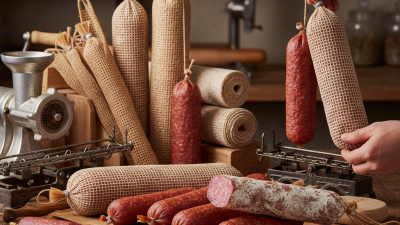
In 2026, the choice of meat netting materials plays a crucial role for suppliers in the UK. Common options include polypropylene and nylon. These materials are popular due to their strength and versatility. Polypropylene is lightweight, while nylon offers superior elasticity. Both options provide excellent protection for various meat types during storage and transportation.
Different applications dictate which material to choose. For instance, sausage makers often prefer nylon for its ability to stretch and maintain shape. Conversely, processing facilities may opt for polypropylene for its affordability and durability. It's essential for suppliers to consider the specific needs of their products when selecting netting. Sometimes, the best choice may not be immediately apparent, requiring careful consideration.
However, not every supplier is aware of the differences in quality among various offerings. Some nettings may break under pressure, affecting product integrity. This reflects a need for suppliers to thoroughly evaluate materials before purchasing. It's beneficial to consult industry experts and conduct tests to ensure reliability and performance. Choosing the right meat netting is a critical decision that can impact the overall quality of the meat products.
2026 Best Meat Netting Options for UK Suppliers
Key Factors Influencing the Choice of Meat Netting for Suppliers
Choosing the right meat netting is crucial for suppliers in the UK. A report by the British Meat Processors Association (BMPA) indicates that over 60% of meat-related complaints stem from inadequate packaging. This highlights the importance of selecting high-quality netting to ensure product integrity and shelf life. Consumers are increasingly concerned about food safety, and suppliers must prioritize materials that meet these rising standards.
Several factors influence the choice of meat netting. First, the type of meat being packaged matters. Different meats, like pork or poultry, require specific netting to maintain freshness. The thickness, elasticity, and mesh size all impact how well the meat is preserved during transportation and storage. Additionally, suppliers should consider environmental sustainability, as eco-friendly materials are gaining popularity. A recent survey showed that 75% of consumers prefer products packaged in sustainable materials.
For suppliers, here are a few considerations when selecting meat netting: weigh the importance of durability versus cost. Cheaper netting may not provide the same level of protection and could lead to losses. Also, test different types under real conditions. What works for one product may not suit another. Continuous reflection and adaptation are essential for success in this competitive sector.
Comparative Analysis of Common Meat Netting Types and Their Performance
When selecting meat netting for suppliers in the UK, understanding the various types available is crucial. There are three primary options: elastic netting, rigid netting, and biodegradable netting. Each serves a specific purpose and performs differently under various conditions. Elastic netting, for instance, is often favored for its flexibility. It accommodates different cuts of meat, ensuring secure packaging. On the other hand, rigid netting provides durability. However, it might not fit all products as snugly as required.
Biodegradable netting offers an eco-friendly solution. This type caters to growing consumer awareness about sustainability. It breaks down over time, aligning with environmentally conscious practices that consumers increasingly prefer. However, some suppliers may worry about its performance compared to traditional options. Durability and strength can be areas for concern. Testing different netting types is essential to find the best fit for specific meat products.
Suppliers may also face challenges in balancing cost with quality. While cheaper options may seem attractive, they often lead to greater waste or product spoilage. This results in additional costs. There’s a need to evaluate both performance and price for long-term effectiveness. Engaging with industry experts can provide valuable insights. Continuous reflection and analysis are vital for improving selection strategies in the meat netting market.
2026 Best Meat Netting Options for UK Suppliers
| Netting Type |
Material |
Diameter (mm) |
Color |
Weight (g/m²) |
Max Load (kg) |
Price (£/m) |
| Classic Sausage Netting |
Polyester |
20 |
Red |
100 |
15 |
0.50 |
| High-Performance Stretch Netting |
Nylon |
25 |
Black |
130 |
20 |
0.75 |
| Economical Butcher Netting |
Polyethylene |
22 |
Green |
90 |
12 |
0.30 |
| Biodegradable Meat Netting |
PLA |
20 |
Natural |
110 |
18 |
0.65 |
| Premium Sausage String |
Cotton |
15 |
White |
80 |
10 |
0.40 |
Trends in Meat Netting: Sustainability and Innovations for the UK Market
Sustainable practices are becoming crucial in the meat netting industry. UK suppliers are increasingly integrating eco-friendly materials in their products. These innovations aim to reduce plastic waste while maintaining strength and durability. Natural fibers, like jute and cotton, are gaining traction due to their biodegradability.
Consumer awareness is driving these trends. Shoppers are looking for more than just quality; they want sustainable choices. In response, suppliers are adapting their practices. However, not all companies have fully embraced this change. Some still rely on traditional materials that are less environmentally friendly. This inconsistency raises questions about commitment to sustainability.
While the move towards innovative solutions is evident, challenges remain. Finding the right balance between cost, functionality, and sustainability is not easy. Suppliers must invest in research and development. The journey towards a greener future requires reflection and adjustment. Adopting new practices can be slow, but the benefits are worth exploring.
Economic Impact of Meat Netting on the UK Meat Processing Industry
The economic impact of meat netting on the UK meat processing industry is significant. Meat netting plays a vital role in preserving product quality. It maintains the shape of meats during storage and transportation, reducing waste. Properly applied netting can extend shelf life and enhance presentation. These factors contribute to higher profit margins for suppliers.
However, challenges exist. The cost of high-quality netting materials can strain budgets, particularly for smaller processors. Inconsistencies in netting quality may affect overall product appeal. Some processors may overlook netting's importance, leading to potential losses. Training staff on best practices in meat netting is essential but often neglected.
Moreover, environmental concerns arise. Disposable netting creates additional waste. Transitioning to sustainable options could elevate costs but also reflects consumer preferences. The industry must balance economic viability with environmental responsibility. Continued innovation in meat netting could help address these challenges while boosting economic outcomes for the sector.