Best Fibrous Salami Casing Options for Global Buyers?
In the world of meat processing, the choice of salami casing is crucial. Experts emphasize that fibrous salami casing stands out for its versatility and performance. Renowned industry specialist, Dr. Robert Klein, states, "The right casing can elevate the quality of salami significantly." His insight reflects a deep understanding of how casing impacts flavor and texture.
Fibrous salami casing provides a robust structure that withstands fermentation. This is essential for achieving the desired taste profile. Buyers must navigate a range of options, assessing quality and price. Not all casings are created equal. Some may not hold up to the fermentation process, affecting the final product.
While fibrous casings are popular, they come with considerations. Sourcing high-quality options can be challenging. Not every manufacturer guarantees consistency. Buyers should prioritize suppliers with a proven track record. Making informed choices can enhance production outcomes and ultimately satisfy consumers. The journey to the best fibrous salami casing is not without its hurdles, yet it's vital for success in the industry.
Overview of Fibrous Salami Casings and Their Importance
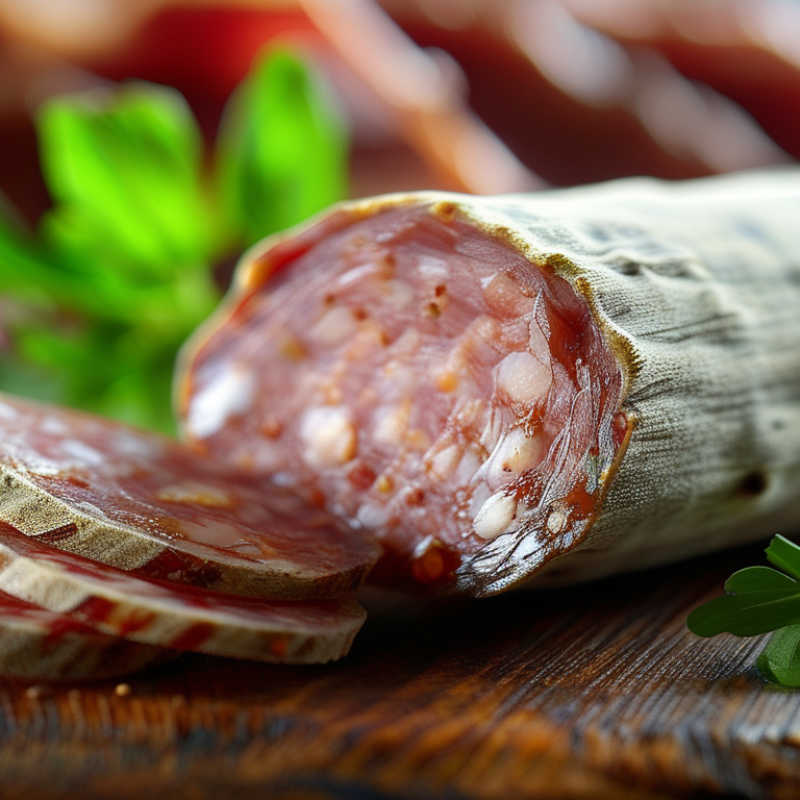
Fibrous salami casings play a crucial role in the sausage production process. They offer superior strength and elasticity compared to other casing types. This is essential when ensuring that the salami maintains its shape during smoking and drying. The global market for fibrous casings is projected to grow at a compound annual growth rate (CAGR) of 5.2% from 2021 to 2028, as reported by industry analysts. Such growth indicates the increasing reliance on fibrous materials in meat processing.
One significant advantage of fibrous casings is their ability to provide an even and uniform smoke penetration. This contributes to improved flavor profiles in the final product. Moreover, fibrous casings can withstand high temperatures, which is critical during the cooking process. When choosing casings, producers often encounter inconsistencies in quality and performance. Ensuring a reliable source is vital for maintaining product standards. Experts recommend regular testing to evaluate casing strength and permeability, even as suppliers evolve.
Another point of consideration is the sustainable sourcing of materials used in fibrous casings. As demand rises, so does the industry's responsibility to address environmental impacts. While innovations are advancing, challenges remain in balancing quality and ecological consciousness. The need for consistent improvements in technology and manufacturing processes is evident among industry stakeholders. Buyers should conduct thorough evaluations before making decisions on sourcing fibrous casings. This ensures that both quality and sustainability goals are achieved.
Types of Fibrous Materials Used in Salami Casings
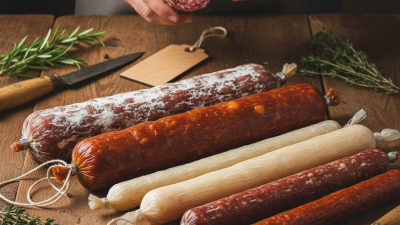
When considering fibrous salami casings, various materials present unique benefits. The most common options include regenerated cellulose, which is strong and consistent, and fibrous materials made from natural fibers. The choice can significantly affect the salami's texture, flavor, and shelf life. Buyers must understand these materials to achieve the best results.
Cellulose casings are appreciated for their durability. They allow for excellent smoke penetration and moisture retention, enhancing the salami's overall quality. On the other hand, casings made from animal fibers may provide a more traditional touch. These casings can add depth to flavor but may not always be uniform in performance. It's essential to weigh these qualities based on your production needs.
Tip: Always test different casing types for your specific recipes. Conduct small batches to see how each material performs. This hands-on approach helps refine your process.
For those new to the industry, experimentation is crucial. Document the results for further analysis. Each casing can behave differently under varying conditions, and understanding these nuances will enhance your final product. Recognizing the imperfections in every material will lead to better choices in the long run.
Key Factors to Consider When Choosing Fibrous Salami Casings
When selecting fibrous salami casings, several factors come into play. The thickness of the casing matters; it affects both the texture and flavor. Thinner casings may provide a more delicate bite, while thicker variations can add bite and chewiness. Understanding the ideal thickness for your specific salami style is crucial.
Another critical consideration is the casing's permeability. A salami casing that allows the right amount of moisture escape will ensure proper drying. Too impermeable, and the salami could spoil. Too permeable, and it might dry out too rapidly. It’s a delicate balance requiring experience and attention.
The material of the casing also impacts the final product. Fibrous casings are popular for good reason; they maintain shape and allow even drying. Yet, not all fibrous casings are created equal. Some buyers may find themselves dissatisfied. It's essential to source casings that are consistent in quality. Testing different options can lead to better overall results. Although experimentation can be frustrating, it ultimately improves the salami-making process.
Top Global Suppliers of Fibrous Salami Casings
When it comes to sourcing fibrous salami casings, global buyers are faced with many options. The demand for high-quality casings has surged, as artisans seek products that enhance flavor and texture. Suppliers play a crucial role in this industry, connecting manufacturers with the right materials for their unique products.
Top global suppliers are known for their expertise in material science and processing methods. They offer a range of casings, each tailored for specific types of salami. Some suppliers provide custom solutions, ensuring that clients receive casings that meet their exact specifications. This can include variations in thickness, diameter, and even color. Feedback from customers helps these suppliers improve their offerings, showcasing a commitment to reliability and quality.
Navigating the complexities of sourcing can be challenging. Important factors include sourcing ethical materials and adapting to changing market demands. While many suppliers excel in their niche, potential buyers should assess factors like production capacity and supply chain stability. Building long-term relationships with trusted suppliers is key. Buyers need to ensure they partner with companies that share their commitment to sustainability. As the industry evolves, so too does the importance of supplier reliability and innovation.
Trends and Innovations in Fibrous Salami Casing Production
The production of fibrous salami casings has seen notable advancements in recent years. Manufacturers are exploring new materials and technologies that enhance both performance and sustainability. Innovations such as biodegradable options are gaining traction, as environmental concerns become more pressing. This shift reflects a growing consumer demand for eco-friendly products.
Fiber-reinforced materials are also on the rise. These new casings offer improved strength and flexibility, leading to higher quality products. However, suppliers must be cautious. The balance between durability and environmental impact is delicate. Testing remains essential to ensure these innovations meet industry standards while satisfying consumer expectations.
Customization plays a crucial role in the current market. Producers are responding to varied consumer preferences with tailored solutions. This adaptability can lead to more complex supply chains. Companies must grapple with the challenge of maintaining quality while managing costs. Transparency in production processes will become increasingly important as buyers prioritize accountability.
Best Fibrous Salami Casing Options for Global Buyers
| Casing Type | Diameter (mm) | Length (m) | Material | Features |
|---|---|---|---|---|
| Fibrous Casing A | 45 | 100 | Cellulose | High strength, moisture resistant |
| Fibrous Casing B | 50 | 120 | Artificial | Easy to handle, uniform thickness |
| Fibrous Casing C | 40 | 150 | Natural | Biodegradable, traditional look |
| Fibrous Casing D | 55 | 80 | Synthetic | Versatile, good elasticity |
Related Posts
-
Top Trends in Fibrous Salami Casing for 2026 Buyers?
-
10 Essential Tips for Choosing Fibrous Salami Casing?
-
How to Choose the Right Fibrous Casings for Your Sausage Making?
-
Best Fibrous Casings for Salami How to Choose the Right Type?
-
What is Clear Fibrous Casings and How Are They Used in Food Industry
-
What are clear fibrous casings and how are they used?