What is Clear Fibrous Casings and How Are They Used?

Clear fibrous casings are crucial in food processing, especially in meat production. These casings provide structure and stability, enhancing the visual appeal of products. According to a market report by IBISWorld, the global demand for meat casings is expected to grow at an annual rate of 4.3% from 2021 to 2026.

Industry expert Dr. John Miller emphasizes the importance of quality in casings. He states, "Investing in clear fibrous casings enhances product integrity and consumer satisfaction." This highlights the evolving needs of manufacturers and the importance of selecting the right materials.

The clear fibrous casing market is competitive. Manufacturers must balance cost and quality. Some products may not meet standards, leading to waste and dissatisfaction. As businesses innovate, the demand for reliable casings remains strong, pushing for continuous improvement and adherence to quality standards.

What is Clear Fibrous Casings and How Are They Used?

What Are Clear Fibrous Casings?

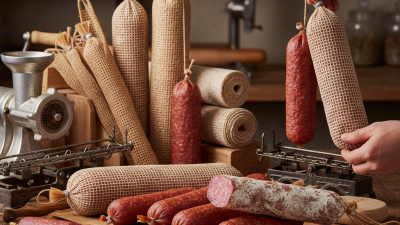
Clear fibrous casings are a type of food casing used primarily in the production of sausages. Made from a mixture of cellulose and natural fibers, these casings are known for their transparency and strength. This allows consumers to see the product inside, enhancing visual appeal. They are also designed to withstand smoking and cooking processes, making them versatile for various types of sausages.

The use of clear fibrous casings offers several advantages. They provide excellent barrier properties, helping to retain moisture and flavor. These casings can also support high-quality filling without breaking easily. However, some may find that using these casings requires specific skills, especially during the stuffing process. Improper techniques can lead to holes or unevenly filled products, which diminish quality.

Incorporating clear fibrous casings into sausage production is increasingly popular. Chefs and home cooks alike appreciate their ability to enhance presentation. Yet, there can be challenges. Adjusting to the unique handling requirements of these casings may take time and practice. Experimentation is often necessary to achieve the desired results. To get the best out of clear fibrous casings, continuous learning is essential.

Characteristics and Composition of Clear Fibrous Casings

Clear fibrous casings are a notable choice in the meat processing industry. They are crafted from natural and synthetic materials, designed to mimic the appearance of natural casings while offering unique benefits. Typically, these casings consist of collagen, which provides a sturdy structure and remains consistent in size. Their transparent nature allows consumers to view the product inside, enhancing its appeal.

In terms of characteristics, clear fibrous casings are visually striking, providing an enticing presentation. They also have good strength, which reduces the risk of bursting during cooking. However, their rigidity can pose challenges. Improper handling or cooking techniques might lead to unwanted texture changes. These casings are suitable for various applications, from sausages to specialty meats, yet they require careful consideration by producers to ensure product quality. Their adaptability makes them a worthy option, but continuous innovation is essential for optimizing their use in food products.

Manufacturing Process of Clear Fibrous Casings

The manufacturing process of clear fibrous casings is quite intricate. These casings are primarily made using a blend of cellulose and other natural fibers. This combination provides strength while maintaining transparency, allowing processors to showcase the product inside. The initial step involves preparing the raw materials. They are carefully blended and processed to create a uniform mixture.

Next, the mixture is extruded through a die to form the desired tube shape. This stage demands precision to ensure the casing is uniform in thickness. After extrusion, the casings undergo drying. It’s crucial to maintain the right temperature and humidity during drying. Over-drying can lead to brittleness, while insufficient drying results in weak casings.

Quality control is vital at each phase. Random samples are tested for strength and clarity. However, achieving the ideal balance can be challenging. Sometimes, manufacturers encounter issues with consistency. These hurdles require continuous monitoring and adjustment. Proper training and experience within the team can significantly enhance the final product’s quality. This ongoing learning process underlines the importance of expertise in manufacturing clear fibrous casings.

Applications in Food Industry: How They Are Used

Clear fibrous casings are widely used in the food industry, especially in processed meat products. These casings are made from natural and synthetic materials that provide a strong, elastic outer layer. While they are often chosen for their transparency, allowing the product inside to be visible, they also enhance the texture and flavor during cooking.

One common application is in sausages. Clear fibrous casings maintain the shape and integrity of the sausage as it cooks. The casing helps retain juices and prevents spoilage, making the final product more appealing. Additionally, the casing can support infused flavors, enhancing the overall taste experience.

However, not all manufacturers use casings effectively. Sometimes, products may lack consistent quality, leading to varying results. Overcooked items can result in casings that turn tough or chewy. This variability raises questions about preparation techniques and quality control within the industry. Understanding these nuances plays a critical role in delivering consistently high standards in food production.

Applications of Clear Fibrous Casings in the Food Industry

Benefits of Using Clear Fibrous Casings in Sausage Production

Clear fibrous casings are becoming increasingly popular in sausage production. These casings are made from natural fibers and are known for their durability and clarity. One of the main benefits of using clear fibrous casings is their ability to showcase the sausage's appearance. A well-crafted sausage inside a clear casing can be visually appealing, enhancing the product's marketability.

The flexibility of clear fibrous casings allows for various sausage types and sizes. They can withstand high temperatures during cooking without compromising structural integrity. Additionally, these casings offer excellent smoke permeability, allowing for better flavor infusion. Sausage makers can experiment with different spice blends, knowing that the clear casing will not detract from the presentation.

One important consideration is the initial cost of these casings. They may be slightly more expensive than traditional options, but the potential for increased sales due to visual appeal can offset this. When using clear fibrous casings, ensure consistent filling to avoid air pockets, which can affect texture and presentation. Practice makes perfect; frequent experimentation with different recipes can lead to better results over time.

What is Clear Fibrous Casings and How Are They Used? - Benefits of Using Clear Fibrous Casings in Sausage Production

Aspect Description Benefits
Material Composition Made from cellulose or fibrous materials that can be consumed or removed. Provides a natural look and texture to sausages.
Applications Used for various types of sausages including salami, bologna, and pepperoni. Allows for even cooking and enhances flavor retention.
Transparency Clear casings offer visibility of the sausage product. Aids in marketing by showcasing quality and appearance.
Customization Available in various diameters and lengths. Allows producers to create different sausage sizes and shapes.
Storage Durable and can be stored for extended periods without spoilage. Reduces waste and improves shelf life of the product.

We are using cookies on our website

Please confirm, if you accept our tracking cookies. You can also decline the tracking, so you can continue to visit our website without any data sent to third party services.