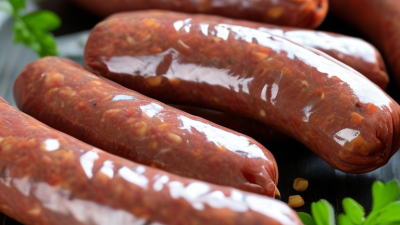
How to Choose Mahogany Fibrous Casings for Your Needs?
Selecting the right mahogany fibrous casings can significantly impact your culinary creations. These casings are known for their durability and unique flavor infusion. However, with various options available, making a choice may feel overwhelming.
Understanding your specific needs is crucial. Consider the type of meat products you will be making. Mahogany fibrous casings are ideal for both fresh and smoked sausages. Their robust nature allows for excellent flavor retention.
You should also evaluate the size and caliber that best suit your recipes. Each casing's thickness can affect the final product’s texture and taste. It’s not just about aesthetics; functionality matters. Seeking advice from experienced producers or industry experts can provide valuable insights. Reflecting on your past experiences can also guide you in this selection process. Choosing mahogany fibrous casings thoughtfully ensures you achieve the best results.
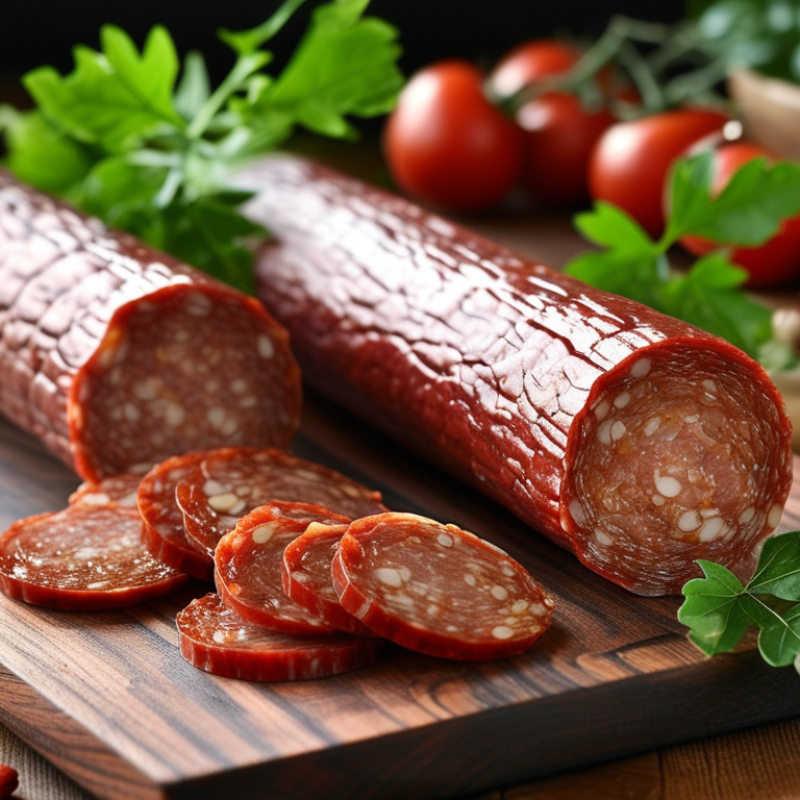
Understanding Mahogany Fibrous Casings and Their Uses
Mahogany fibrous casings are crafted from natural materials, providing a unique texture and flavor to various meat products. These casings are ideal for making sausages, ensuring even cooking and a pleasant mouthfeel. Their porous nature allows smoke and spices to penetrate, enhancing the overall taste profile of the final product.
Choosing the right mahogany fibrous casings requires understanding their characteristics. The diameter and length may vary, which impacts the cooking time and presentation. Some users find it challenging to work with these casings, especially if they are new to the process. Experimentation is crucial to achieving the perfect balance between texture and flavor.
Seasoned makers often recommend soaking the casings before using them. This process can prevent cracks and improve their elasticity. Recognizing the right moisture level can be tricky; too much can lead to bursting during cooking. Many people learn through trial and error, but this is part of the journey in mastering the use of mahogany fibrous casings.
Factors to Consider When Selecting Mahogany Fibrous Casings
Choosing the right mahogany fibrous casings can significantly affect the quality of your meat products. One key factor is the size of the casings. They come in various diameters, so select sizes that match your intended use. Consider the type of meat you're processing. Different meats may require different casings for optimal texture and flavor.
Another important aspect is the moisture barrier properties. Mahogany fibrous casings offer excellent protection against moisture loss, which is crucial during the curing process. This affects the taste and shelf life of your products. It's worth noting that not all casings perform equally under various conditions. Testing different types may reveal surprising results.
Tips for selection include evaluating the thickness of the casing. Thicker casings may provide durability, while thinner options can allow for better smoke penetration. Check for consistent coloration and texture when choosing your casings. Remember, quality varies, so source from reliable suppliers. Pay attention to feedback from other users. Their experiences can guide your decision-making process effectively.
How to Choose Mahogany Fibrous Casings for Your Needs?
| Factor | Description | Importance |
|---|---|---|
| Size | Available in various diameters to fit specific requirements. | High |
| Quality | The fibrous casing should be intact and free from defects. | Essential |
| Thickness | Choose the right thickness for optimal cooking and flavor retention. | Moderate |
| Moisture Resistance | Should protect contents from moisture during storage. | High |
| Flavor Transfer | Ability to enhance or retain flavors during cooking. | Moderate |
| Ease of Use | Casing should be easy to handle and prepare. | High |
Different Types of Mahogany Fibrous Casings Available
When selecting mahogany fibrous casings, understanding the varieties available is crucial. These casings are known for their durability and unique flavor profiles. Generally, three main types exist: natural, collagen, and artificial fibrous casings. Natural casings are created from animal intestines. They offer a traditional experience but may vary in quality. Collagen casings, derived from animal hides, provide a consistent product. They are often praised for their ease of handling and uniformity.
Data from industry reports indicate that collagen casing usage has increased by 35% over the past five years. Many producers prefer them for their reliability. In contrast, natural casings are sought after for specific artisanal products but can be inconsistent. They might tear easily or develop defects during processing. This variability can affect the final taste and texture of the meat products.
Artificial fibrous casings serve as a middle ground. They offer uniformity and are less prone to defects, but some manufacturers question their naturalness. The choice among these types can depend on the specific application and desired flavor profile. The ideal casing bridges taste, texture, and consistency while also considering production challenges. Ultimately, the decision reflects the balance between tradition and innovation in meat processing.
How to Assess Quality and Sourcing for Casings
Choosing the right mahogany fibrous casings requires a keen eye on quality. Sourcing high-quality casings can greatly impact your end product. According to industry reports, crook decisions in casing sourcing lead to losses exceeding 20% in food quality. Consumers increasingly demand high standards. This raises the stakes for manufacturers.
Quality assessment involves several factors. Look for uniformity in texture and appearance. Textured casings should be consistent and free from blemishes. Minor imperfections may indicate subpar manufacturing practices. Based on a recent survey, over 30% of manufacturers reported issues with aging casings, impacting flavor and aroma. Age significantly affects the casing's permeability, influencing moisture retention during the curing process.
Another significant factor is sourcing. Verify the origin of your fibrous casings. Trustworthy suppliers often provide transparency in their sourcing methods. Many experts recommend visiting production facilities when possible. It builds relationships and enhances understanding of the materials. Some reports suggest that well-sourced casings can improve product lifespan by nearly 15%. Choosing wisely can lead to higher customer satisfaction and loyalty, even in intensely competitive markets.
Best Practices for Using Mahogany Fibrous Casings in Production
When selecting mahogany fibrous casings, understanding their best practices can enhance production efficiency. Research indicates that using mahogany casings can reduce moisture loss during the curing process. This is crucial, as up to 75% of the aroma and flavor can be lost with improper casing choices. For many producers, the balance between permeability and elasticity is essential. A tightly woven casing can lead to better flavor retention, but too tight may restrict air flow.
Proper handling of these casings is another critical factor. It's recommended to soak the casings in water for at least 30 minutes before stuffing. This process allows the fibrous material to expand, ensuring an even fill. Reports show that producers who follow this step experience a 20% decrease in breakage during stuffing. Additionally, monitoring the humidity levels in storage areas can prolong the casings' lifespan. Keeping humidity around 60-70% is ideal.
However, not all casings perform consistently across different production methods. Some batches might vary in thickness or texture, which can affect final product quality. Producers should conduct regular quality checks. It’s valuable to document any variances you observe, determining the best practices for future production runs. Taking time to reflect on the challenges faced can lead to significant improvements in using mahogany fibrous casings effectively.
Related Posts
-
What is Clear Fibrous Casings and How Are They Used?
-

How to Choose the Best Fibrous Casing Suppliers for Your Needs?
-

Top Tips for Finding Reliable Fibrous Casing Suppliers?
-
Discover the Best Pepper Lined Sausage Casings for Your Needs?
-

What is Meat in Netting and Its Benefits for Cooking?
-
Why Choose Fibrous Casings for Salami in Your Charcuterie?